
Blog
Assimilasjon: How Humans Learn, Adapt & Integrate Naturally

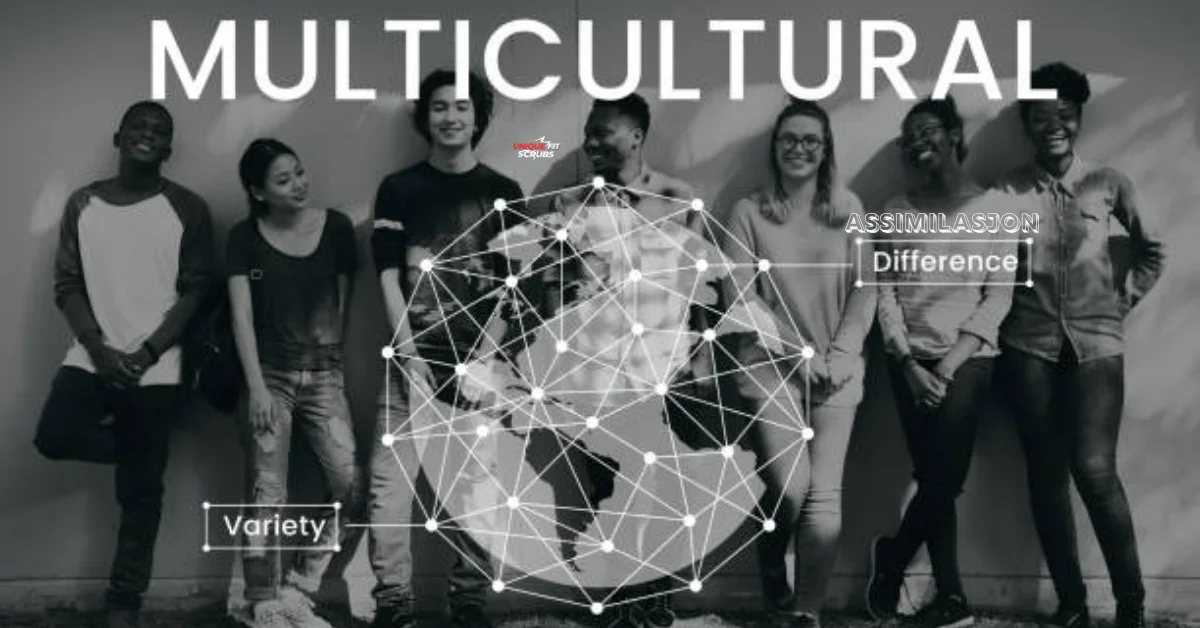
Assimilasjon is a fascinating concept that shapes how we interact with the world around us. It’s more than just learning; it’s about adapting and integrating into new environments, cultures, and ideas. From childhood to adulthood, people continuously absorb influences from their surroundings, evolving in remarkable ways. Have you ever wondered how seamlessly some individuals blend into different communities or adopt new practices? This blog post delves into the intricacies of assimilation—exploring its processes, factors that influence it, real-life examples, and even the potential downsides when forced upon individuals. Join us as we uncover the natural human tendency to learn and adapt through assimilasjon!
Understanding Assimilation
Assimilasjon is essentially the process through which individuals absorb and integrate new cultural norms, values, and practices. It’s a natural part of human development that allows us to navigate diverse environments.
At its core, assimilation involves learning from those around us—whether it be language, customs, or social behaviors. This can occur consciously or unconsciously as we engage with different communities.
Historically, assimilation has played a vital role in societal evolution. Groups blend their unique traits to form new identities.
It fosters unity while allowing for individuality within larger frameworks. The beauty of assimilasjon lies in its fluidity; people continuously adapt based on experiences.
Understanding this dynamic provides insight into how societies grow and change over time, revealing the intricate tapestry of human interaction shaped by shared knowledge and collective growth.
The Process of Assimilation in Humans
Assimilation in humans is a fascinating, multi-faceted process. It begins with exposure to new cultures or ideas. This could be through travel, education, or social interactions.
As people encounter different ways of life, they start to absorb and internalize these experiences. They might adopt new customs or language patterns without even realizing it.
This integration is often gradual and unconscious. Individuals blend their original culture with the new influences, creating a unique identity that encompasses both.
Social environments play a crucial role in this process as well. Supportive communities encourage individuals to embrace change while maintaining connections to their roots.
Through everyday experiences such as food choices or holiday celebrations, assimilation manifests subtly yet powerfully within our lives. Each small step contributes significantly to personal growth and understanding of diverse perspectives.
Factors That Affect Assimilation
Assimilation is influenced by various factors that shape how individuals adapt to new environments.
Cultural background plays a significant role. People from different cultures may find it easier or harder to integrate based on their previous experiences and values.
Language proficiency also impacts assimilation. Those who master the local language can communicate better, making social connections more accessible.
Social networks matter too. Having supportive friends and family can ease the transition into a new culture, while isolation can hinder progress significantly.
Age is another crucial element. Younger individuals often assimilate more rapidly than older adults due to their flexibility in learning and openness to change.
Socioeconomic status affects access to resources that facilitate integration, such as education and community programs. Each of these factors intertwines, creating unique pathways for individual experiences with assimilation.
Examples of Assimilation in Everyday Life
Assimilation is a natural part of everyday life. Think about how children pick up languages. They hear words, mimic sounds, and gradually start speaking. It’s a seamless process where they absorb their surroundings.
Cultural assimilation can often be seen in food preferences. Immigrants introduce new dishes to local cuisine, creating fusion foods that combine flavors from different cultures. This blending enriches the dining experience for everyone involved.
Social norms also showcase assimilation. People moving to new regions adapt their behavior based on the customs around them, whether it’s greetings or dress codes.
In technology, tech-savvy individuals learn new software quickly by adapting familiar skills from previous experiences with other platforms. This adaptability highlights our ability to integrate into diverse environments effortlessly.
Each of these instances reflects how humans naturally assimilate into varying aspects of life without even realizing it.
Negative Effects of Forced Assimilation
Forced assimilation can lead to a profound loss of cultural identity. When individuals are pressured to abandon their traditions, languages, and beliefs, they often feel disconnected from their roots.
This disconnection can result in psychological stress. People may struggle with feelings of isolation or alienation as they navigate between conflicting cultures.
Additionally, forced assimilation fosters resentment and resistance. Communities might react defensively against external pressures, causing social divides that hinder mutual understanding and respect.
The impact on future generations is significant as well. Children raised under the weight of enforced conformity may internalize shame about their heritage, leading to ongoing cycles of cultural erasure.
These negative effects ripple through society. A diverse culture enriches communities; when forced assimilation diminishes this diversity, everyone suffers in some way.
Enhancing Natural Assimilation
Enhancing natural assimilasjon involves creating environments where individuals can thrive. Education plays a crucial role in this process. By introducing diverse curricula, we encourage students to embrace different cultures and perspectives.
Community engagement is equally vital. Local events or cultural festivals foster connections among various groups. These interactions help break down barriers and promote understanding.
Mentorship is another powerful tool for enhancing assimilation. Pairing newcomers with seasoned residents allows for shared experiences and knowledge transfer. This relationship nurtures confidence and belonging.
Language acquisition also deserves attention. Language programs that focus on conversation skills enable smoother integration into society, making communication easier.
Promoting open-mindedness within communities encourages acceptance of various backgrounds, paving the way for meaningful relationships to flourish naturally without pressure or constraint.
Conclusion
Assimilasjon is a fascinating process that illustrates how humans learn, adapt, and integrate into new environments. This natural mechanism allows us to absorb diverse cultural influences and experiences. Understanding the nuances of assimilation not only helps us appreciate our own evolution but also fosters empathy toward others navigating similar journeys.
While assimilation can enhance social cohesion, it’s essential to recognize its potential pitfalls. Forced assimilation often leads to loss of identity and culture. By acknowledging these challenges, we can work towards fostering an inclusive environment where everyone feels valued.
Enhancing natural assimilation involves embracing diversity while promoting open-mindedness and understanding among individuals from different backgrounds. It encourages meaningful interactions that enrich our societal fabric.
By exploring various aspects of assimilasjon, we gain insights into human behavior that are both enlightening and empowering. Cultivating an appreciation for this process can lead us toward more harmonious coexistence in our ever-evolving world.

Introduction to Incabizgrowth.com
Welcome to the world of Incabizgrowth.com, where innovation meets strategy in the realm of digital presence. As businesses navigate the complex landscape of online visibility, one question often arises: How can a strong SEO foundation elevate a brand’s success? Enter old domains those hidden gems that hold untapped potential when it comes to search engine optimization.
In this article, we’ll explore not only why SEO matters for businesses striving to thrive online but also how an aged domain like Incabizgrowth.com can make all the difference. Prepare yourself for insights into powerful strategies and real-life case studies that highlight just how impactful effective SEO practices can be. Whether you’re a seasoned entrepreneur or just starting out, there’s something here for everyone aiming to enhance their digital footprint. Let’s dive right in!
Importance of SEO for businesses
Search Engine Optimization (SEO) is essential for any business aiming to succeed online. With millions of websites competing for attention, having a robust SEO strategy can set your brand apart.
A solid SEO approach enhances visibility. When potential customers search online, you want to be at the top of their results. This increases traffic and drives sales.
Moreover, effective SEO builds credibility. High search engine rankings give businesses instant credibility and trust. Higher rankings translate into greater trust from consumers.
Investing in SEO also leads to better user experience. A well-optimized site loads faster and is easier to navigate, ensuring visitors stay longer and engage more with your content.
SEO offers measurable results. Tools allow businesses to track performance metrics like organic traffic and conversion rates effectively. This data helps refine strategies over time for even better outcomes.
The power of an old domain in SEO
An old domain carries significant weight in the world of SEO. Its age contributes to building credibility and trust with search engines. Established domains often have a history of backlinks, which enhances their authority.
Search engines favor websites that prove they can withstand the test of time. A long-standing domain signals reliability to both users and algorithms alike. This makes it easier to rank higher for competitive keywords.
Moreover, older domains typically have an existing audience base. They’ve had years to cultivate traffic, making them valuable assets for businesses looking to expand their reach.
Additionally, rebranding or launching new ventures on established domains can yield faster results than starting from scratch. The accumulated reputation plays a critical role in driving organic traffic more efficiently.
Harnessing this potential is crucial for any business aiming for success online. An aged domain not only boosts visibility but also instills confidence in visitors who seek trustworthy sources.
Case study analysis of Incabizgrowth.com’s SEO strategy
Incabizgrowth.com leverages its old domain to enhance search visibility. The site capitalizes on a well-established authority in the digital space.
Their content strategy focuses on high-quality, relevant articles that resonate with their target audience. By utilizing keyword research effectively, they create posts around trending topics in the business growth niche.
Link-building plays a significant role as well. Incabizgrowth.com has garnered backlinks from reputable sources over time, boosting trustworthiness and ranking potential.
The technical aspect of SEO is also addressed meticulously. Page speed optimization and mobile responsiveness ensure users enjoy seamless navigation across devices.
Additionally, consistent updates keep the website dynamic while maintaining its core values. This combination of strategies illustrates how an aged domain can significantly contribute to a robust SEO framework.
Key findings and results from the case study
The case study of incabizgrowth.com revealed several surprising insights into its SEO performance. One notable finding was the strong organic traffic growth over the past year, indicating effective keyword strategies and valuable content.
Moreover, the site’s backlink profile showed a high-quality mix of referring domains. This diversity not only enhances credibility but also contributes to higher search engine rankings.
Another significant observation involved user engagement metrics. Pages with optimized titles and meta descriptions had lower bounce rates and longer session durations. This suggests that targeted on-page SEO practices are paying off.
Mobile optimization played a crucial role in maintaining consistent traffic levels. The responsive design ensured compatibility across devices, catering to a broader audience base eager for seamless browsing experiences. These elements combined showcase how strategic efforts can yield impressive results for an old domain like incabizgrowth.com.
Lessons learned for small businesses looking to improve their SEO
Small businesses can gain valuable insights from the SEO journey of incabizgrowth.com. One key lesson is the importance of keyword research. Understanding what potential customers are searching for is essential to tailor your content effectively.
Another takeaway revolves around quality over quantity. Focus on creating high-quality, relevant content rather than churning out numerous low-value articles. Engaging and informative posts attract organic traffic and keep visitors coming back.
Link-building strategies also play a significant role. Building relationships with other sites in your niche can enhance credibility and drive referral traffic.
Consistently monitoring performance metrics cannot be overlooked. Tools like Google Analytics provide crucial data that help refine SEO strategies based on real user behavior and preferences.
Conclusion: The value of investing in a strong SEO strategy with an aged domain
The investment in a strong SEO strategy, particularly when leveraging an aged domain like incabizgrowth.com, can yield significant benefits for businesses. Old domains often carry established authority and trustworthiness in the eyes of search engines. This inherent value provides a solid foundation that newer websites may struggle to achieve.
For companies looking to enhance their online presence, focusing on effective strategies such as high-quality content creation, backlinks from reputable sources, and regular site audits can greatly improve visibility. The case study analysis of incabizgrowth.com illustrates how an old domain’s credibility can be harnessed through smart SEO tactics.
As more businesses recognize the importance of digital marketing, understanding the role of an aged domain becomes vital. Small business owners should consider investing time and resources into optimizing their existing sites or exploring opportunities with established domains. Embracing these practices could lead to improved search rankings and increased organic traffic over time.
Prioritizing SEO is not just about immediate gains; it’s about building a sustainable online footprint that attracts customers consistently. Investing wisely in your website’s SEO capabilities can make all the difference in today’s competitive digital landscape.

Introduction to Fangchanxiu.com
In today’s fast-paced digital world, finding the right property can feel overwhelming. Navigating through endless listings and conflicting information is enough to make anyone’s head spin. Enter Fangchanxiu.com, a revolutionary all-in-one real estate marketplace designed to simplify your buying and selling experience. Whether you’re a first-time homebuyer or an experienced investor, this platform promises to streamline the process while offering unmatched resources and support. Ready to discover how Fangchanxiu.com is changing the game in real estate? Let’s dive in!
What is Fangchanxiu.com?
Fangchanxiu.com is a cutting-edge real estate marketplace designed to streamline the buying and selling process. It connects buyers, sellers, and agents in one user-friendly platform.
This innovative site offers an extensive database of properties across various locations. Users can easily filter searches based on preferences such as price range, property type, and location.
Beyond just listings, Fangchanxiu.com provides valuable resources for both parties. Educational articles and market insights are readily available to empower users with knowledge about their transactions.
Its genuine emphasis on honest and clear dealings is what separates it from the competition. Detailed property information ensures that buyers make informed decisions while sellers can showcase their homes effectively.
With technology at its core, Fangchanxiu.com enhances the traditional real estate experience by making it more accessible and efficient for everyone involved in the market.
The Features and Benefits of Fangchanxiu.com
Fangchanxiu.com stands out with its user-friendly interface, designed for both novice and experienced users. Navigating through listings feels effortless, making property searches enjoyable.
One of the standout features is the advanced filtering options. Users can tailor their search according to various criteria like price range, location, and property type. This ensures that buyers find exactly what they need without sifting through irrelevant options.
Another significant benefit is the comprehensive market insights provided on the platform. Buyers gain access to neighborhood trends, pricing history, and other essential data that empower informed decisions.
For sellers, Fangchanxiu.com offers an array of marketing tools to showcase properties effectively. High-quality images and virtual tours engage potential buyers more than traditional listings ever could.
The platform also prioritizes security and transparency in transactions. With verified listings and secure communication channels, users can feel safe throughout their real estate journey.
How Fangchanxiu.com Helps Buyers and Sellers in the Real Estate Market?
Fangchanxiu.com revolutionizes the real estate market by creating a seamless connection between buyers and sellers. Its user-friendly interface makes property searching effortless. With advanced filtering options, buyers can easily find homes that fit their criteria.
Sellers benefit from enhanced visibility for their listings. The platform ensures properties receive maximum exposure to potential buyers through strategic marketing tools.
Real-time updates on market trends empower users with valuable insights. This feature helps both parties make informed decisions based on current data.
Additionally, Fangchanxiu.com offers integrated communication tools, allowing direct interactions between buyers and sellers without intermediaries. This fosters transparency and builds trust throughout the transaction process.
The platform also provides educational resources, guiding newcomers through every step of buying or selling property in today’s dynamic environment.
User Testimonials and Success Stories
Users of Fangchanxiu.com have shared remarkable experiences that highlight the platform’s effectiveness. Many buyers have found their dream homes quickly, thanks to its user-friendly interface and comprehensive listings.
One satisfied customer recounted how they discovered a charming apartment through an intuitive search feature. They appreciated the detailed property descriptions and high-quality images, which made decision-making easier.
Sellers also benefit significantly from this marketplace. A real estate agent noted how seamless it was to list properties on Fangchanxiu.com, leading to quicker sales and satisfied clients.
Another success story features a family who sold their home within weeks, citing targeted marketing tools as game-changers for visibility in a competitive market.
These testimonials showcase not only individual successes but also the community created around Fangchanxiu.com, where both buyers and sellers find support throughout their real estate journeys.
Comparison to Other Real Estate Marketplaces
When comparing Fangchanxiu.com to other real estate marketplaces, the differences become clear. Many platforms focus solely on listings or provide limited resources for buyers and sellers.
Fangchanxiu.com stands out with its comprehensive approach. It combines property listings with advanced tools like market analysis and personalized recommendations. This integration enhances user experience significantly.
Unlike competitors, which may overwhelm users with advertisements, Fangchanxiu.com maintains a clean interface. Users can navigate effortlessly through homes, commercial properties, and investment opportunities without distractions.
Additionally, while other sites often charge hefty fees for premium features or insights, Fangchanxiu.com prioritizes accessibility. Most essential services are available at no cost.
The community aspect is another differentiator. Users find support not just from the platform but also from fellow investors and homeowners eager to share their experiences and advice—something many traditional marketplaces overlook entirely.
Expansion Plans for Fangchanxiu.com
Fangchanxiu.com is setting its sights on exciting growth opportunities. The platform aims to expand its reach beyond urban centers into suburban and rural markets.
This move will cater to a wider audience, allowing more buyers and sellers access to diverse property options. As demand for homes in less populated areas rises, Fangchanxiu.com recognizes the need to adapt accordingly.
Additionally, partnerships with local real estate agents are on the horizon. Collaborating with regional experts will enhance user experience by providing localized insights and support.
Broadening operations into new global territories forms a central part of future strategy. By entering additional global markets, Fangchanxiu.com can tap into new customer bases while offering international properties for sale or rent.
Investments in technology are key as well. Enhanced features like virtual tours and AI-driven recommendations promise a more personalized experience for users navigating their real estate journeys.
Conclusion: Why Fangchanxiu.com is the Future of Real Estate Buying and Selling?
Fangchanxiu.com stands out as a revolutionary platform in the real estate market. Its all-in-one approach simplifies the buying and selling process for everyone involved. The user-friendly interface, advanced search features, and comprehensive listings make it an essential tool for anyone looking to navigate real estate transactions.
Buyers benefit from access to extensive property options, along with detailed information that aids decision-making. Sellers find value in the streamlined listing process that connects them directly with potential buyers. This marketplace fosters transparency and efficiency, which is often lacking in traditional methods.
User testimonials highlight success stories where individuals found their dream homes or sold properties quickly and effectively through Fangchanxiu.com. Those experiences reinforce its effectiveness compared to other platforms that may not offer such personalized service or local expertise.
As Fangchanxiu.com continues to expand its services and reach into new markets, it positions itself as a leader in digital real estate solutions. Its commitment to innovation ensures that both buyers and sellers have the tools they need for successful transactions.
With its unique blend of modern technology and customer-focused service, Fangchanxiu.com is set to redefine how we look at buying and selling real estate today—and tomorrow.

Introduction to Nomurano
Nestled between breathtaking mountains and lush valleys, Nomurano is a hidden gem waiting to be explored. This enchanting destination offers visitors a unique blend of ancient traditions and stunning landscapes that seem almost too beautiful to be real. From its rich cultural heritage to its vibrant local life, Nomurano captures the essence of what makes travel truly rewarding.
As you wander through its quaint streets, you’ll encounter warm smiles from locals eager to share their stories. The air is filled with the sounds of traditional music, inviting you to immerse yourself in the customs that have shaped this remarkable place over centuries. Whether you’re an adventure seeker or a culture enthusiast, Nomurano promises experiences that will leave lasting memories. Prepare for an unforgettable journey as we delve deeper into what makes Nomurano so special!
The History and Culture of Nomurano
Nomurano boasts a rich tapestry of history, woven through centuries of tradition and cultural evolution. This enchanting destination has roots that trace back to ancient civilizations, where early settlers cultivated the land and formed tight-knit communities.
The local culture reflects a blend of indigenous practices and influences from neighboring regions. Artisans here are known for their intricate crafts, passed down through generations. Visitors can often witness skilled hands at work in vibrant workshops.
Festivals play a vital role in Nomurano’s social fabric. These lively events showcase traditional music, dance, and storytelling that captivate both locals and travelers alike. Each celebration offers a glimpse into the values held dear by its inhabitants.
As you stroll through Nomurano’s streets, you’ll encounter historical sites that tell tales of resilience and creativity. The architecture speaks volumes about its past while serving as a canvas for contemporary expressions.
Top Attractions in Nomurano
Every corner of Nomurano reveals a remarkable collection of captivating sceneries and visually stunning wonders that leave travelers completely spellbound. The ancient temple at the heart of the town draws visitors with its intricate carvings and serene atmosphere. Stepping inside, one can feel the whispers of history echo through time.
A short distance past the temple, a magnificent waterfall tumbles gracefully downward, feeding into sparkling, pristine pools that glisten beneath the open sky. It’s an ideal spot for photography or simply soaking up nature’s beauty.
For those who appreciate art, local galleries exhibit works inspired by Nomurano’s stunning landscapes. Each piece tells a story, connecting visitors to the region’s rich culture.
Don’t miss the bustling marketplace filled with handcrafted goods. Here, artisans showcase their skills while you browse unique souvenirs that reflect Nomurano’s heritage.
Take a leisurely hike along scenic trails that wind through lush forests and rolling hills. Each path leads to panoramic views that leave everyone in awe of this captivating destination.
Traditional Activities in Nomurano
In Nomurano, traditional activities are a vibrant part of daily life. Visitors can immerse themselves in age-old practices that have been passed down through generations.
One popular activity is weaving. Local artisans create intricate textiles using techniques that date back centuries. Watching them work is mesmerizing and offers insight into the community’s heritage.
Another engaging experience is participating in local festivals. These events showcase colorful parades, folk dances, and music that celebrate Nomurano’s rich culture. Joining in on the festivities allows travelers to connect with locals and share in their joy.
Craft workshops also abound, where you can try your hand at pottery or wood carving under the guidance of skilled craftsmen. This hands-on approach makes for memorable souvenirs.
Additionally, nature walks led by knowledgeable guides introduce visitors to traditional herbal medicine practices rooted in ancient wisdom. Exploring both land and lore enhances appreciation for this unique destination.
Must-Try Local Cuisine
Nomurano’s local cuisine is a delightful journey for the senses. Rich flavors and fresh ingredients come together in every dish.
Start with the famous Nomurano stew, simmered to perfection. This hearty meal includes tender meats and seasonal vegetables, reflecting the region’s agricultural bounty.
Don’t miss out on their artisanal bread, baked daily using traditional methods. It has a rustic crust and soft interior that pairs beautifully with local cheeses.
For dessert lovers, the sweet rice cakes are a must-try. These delicate treats are often filled with fruits or nuts, offering an irresistible combination of textures and tastes.
Wash it all down with locally crafted beverages. Whether it’s herbal teas or fruit-infused drinks, each sip tells its own story from this vibrant land.
Dining here isn’t just about food; it’s an experience steeped in culture and community.
Accommodation Options in Nomurano
Travelers in Nomurano will find a range of accommodation options that cater to different preferences and budgets. Quaint guesthouses offer a cozy atmosphere, allowing guests to immerse themselves in the local culture.
For those seeking more luxury, boutique hotels provide stunning views of the surrounding landscapes. Many feature traditional architecture blended with modern amenities, ensuring comfort without sacrificing charm.
If you’re looking for an authentic experience, consider staying at a ryokan. These traditional inns often serve delicious meals and may include communal baths for relaxation after a day of exploration.
Budget travelers can opt for hostels or campsites scattered throughout the area. Both are perfect for meeting fellow adventurers while enjoying the breathtaking scenery Nomurano has to offer.
No matter where you choose to stay, each option provides access to all that this enchanting destination has in store.
Why Nomurano is the Perfect Destination for Travelers?
Nomurano offers a captivating blend of history and natural beauty, making it an ideal spot for wanderers. Its stunning landscapes create a breathtaking backdrop for exploration.
Travelers can immerse themselves in rich cultural traditions that have thrived over centuries. The genuine friendliness and welcoming nature of Nomurano’s residents instantly create a deep sense of comfort and belonging for every visitor.
Adventurers will find numerous outdoor activities to enjoy, from hiking picturesque trails to discovering hidden waterfalls. Each corner reveals something unique.
The vibrant local markets are perfect for those seeking authentic experiences, filled with artisanal crafts and traditional performances.
With diverse dining options showcasing regional flavors, every meal becomes an adventure in itself.
For those looking to unwind or seek inspiration, Nomurano’s serene environment is unparalleled. This destination truly caters to everyone’s travel desires—whether you’re after excitement or tranquility.
Tips for Planning Your Trip to Nomurano
Planning your trip to Nomurano can be an exciting adventure. Start by researching the best time to visit, as seasons greatly influence local activities and festivals.
Consider booking your accommodations early. Popular spots fill up quickly, especially during peak seasons. Look for places that offer a taste of local culture.
Pack appropriately for varied landscapes. Comfortable shoes are a must for exploring trails and historic sites. Don’t forget to bring a camera—Nomurano’s scenery is breathtaking!
Familiarize yourself with the cultural norms and traditions before you arrive. A little background knowledge enhances your experience when interacting with locals.
Try learning a few basic phrases in the local language; it shows respect and can lead to deeper connections during your stay in Nomurano.
Conclusion
Nomurano is a hidden gem that beautifully combines ancient traditions with breathtaking landscapes. This destination offers travelers a unique experience, from its rich history and vibrant culture to stunning natural scenery.
Exploring Nomurano means immersing yourself in local customs and enjoying various traditional activities. As you indulge in the mouthwatering cuisine, you’ll find flavors that reflect the area’s heritage.
With plenty of accommodation options ranging from cozy inns to luxurious hotels, there’s something for every traveler’s preference. From heart-pumping outdoor thrills to peaceful moments of quiet retreat, Nomurano effortlessly caters to every kind of traveler’s desire.
As you plan your trip to this enchanting locale, remember to embrace its spirit and take part in all it has to offer. Discover why so many return to Nomurano time and again; it’s more than just a destination—it’s an experience waiting to be had.
-
 Fashion8 months ago
Men’s Moss Cobaki Scrub Jacket | FIGS Performance Scrubs
-
 Technology8 months ago
Tatasec.org: Your Ultimate Guide to Entrepreneurship and Cybersecurity Insights in 2026
-

 Blog8 months ago
What Is Leonaarei? A Complete Guide to Its Meaning and Use Cases
-
 Health8 months ago
UniqueFit Scrubs Medical Apparel – Premium Comfort for Healthcare Professionals
-
 Health8 months ago
Runlia: Transform Your Athletics with the Leading Fitness App for Elite Performance in 2026
-
 Fashion8 months ago
Infinity GNR8 Men’s 4-Pocket Stretch Rib-Knit Zip Front Scrub Jacket
-

 Blog8 months ago
Sosoactive: The Digital Culture Engine Powering Modern Brands and Startups
-
 Fashion8 months ago
Tasyyblack: Explore Trending Blogs, Fashion, and Culinary Insights on Tasyyblack.com in 2026