
Health
Fiebrigen: Essential Parental Guide to Symptoms and Care Tips


Fiebrigen can be a daunting experience for both parents and children alike. When your little one feels warm to the touch, it can trigger a whirlwind of worries. Understanding what fiebrigen really means is essential for every parent. This guide aims to shed light on this common childhood occurrence, offering insights into its causes, symptoms, and effective management strategies. Whether you’re navigating the challenges of a feverish child or simply want to be prepared for when it happens, you’re in the right place! Let’s explore how you can ensure your child’s comfort and health during these trying times.
What is Fiebrigen?
The word “fiebrigen” frequently serves as a descriptor for elevated body temperatures occurring in young ones. It’s not an illness itself but rather a symptom that signals the body is fighting off infection or illness.
When your child’s temperature rises above the normal range, it triggers alarm bells about their health. This natural response helps the immune system combat viruses and bacteria effectively.
Typically, a child’s normal body temperature ranges from 97°F (36.1°C) to 100.4°F (38°C). Anything higher than this may be classified as fiebrigen.
While it can be unsettling for parents, it’s important to remember that fiebrigen is common and usually resolves without serious complications. Understanding what fiebrigen entails empowers you to take appropriate actions when your child feels unwell.
Causes of Fiebrigen in Children
Fiebrigen in children can arise from various sources, often signaling an underlying issue. Infections are the most common cause. These may include viral illnesses such as colds or flu, as well as bacterial infections like strep throat.
Other factors contributing to fiebrigen can be non-infectious. Teething is a classic culprit in infants, causing mild temperature elevations. Immunizations might also lead to temporary fevers as the body builds immunity.
Environmental factors play a role too. Overdressing your child or exposure to high temperatures can result in heat-related fevers. This highlights the importance of monitoring their surroundings and comfort levels.
Allergies may contribute indirectly if they trigger inflammatory responses within the body. Understanding these causes helps parents respond appropriately when fever strikes, ensuring timely care for their little ones.
Common Symptoms of Fiebrigen
Fiebrigen can manifest through several noticeable symptoms in children. The most common sign is an elevated body temperature, often exceeding 100.4°F (38°C). Parents may notice their little ones feeling warmer than usual.
Accompanying the fever, chills are quite frequent. Your child might shiver even when wrapped in blankets. Sweating can also occur as the body attempts to regulate its temperature.
Irritability and restlessness are other typical reactions during an episode of fiebrigen. A normally cheerful child may become fussy or difficult to soothe.
Fatigue is another symptom that parents should watch for; kids might want to sleep more than usual or lack energy for playtime activities. Loss of appetite often accompanies these symptoms, making mealtimes challenging.
If you observe any combination of these signs, it’s essential to monitor your child’s condition closely and consider appropriate care steps.
When to Seek Medical Attention?
It is vital for caregivers to recognize the specific moments when professional healthcare becomes necessary. While many fevers are manageable at home, some signs indicate the need for professional help.
If your child’s fever exceeds 104°F (40°C) or lasts more than three days, it’s time to consult a doctor. High temperatures can lead to complications and should be taken seriously.
Pay attention if your child exhibits unusual symptoms like persistent vomiting, severe headache, or difficulty breathing. These may signal an underlying issue that requires immediate care.
Also, infants under three months with any fever should be evaluated by a healthcare provider promptly. Their immune systems are still developing and they may not handle infections as well as older children.
Trust your instincts as a parent. If you feel something isn’t right despite normal temperature readings, don’t hesitate to reach out for guidance from a medical professional.
Tips for Managing a Child’s Fever
Managing a child’s fever can be daunting, but there are practical steps you can take to ease their discomfort. Start by keeping them hydrated. Offer plenty of fluids like water, broth, or electrolyte solutions.
Dress your child in lightweight clothing. Excessive layers of clothing may prevent warmth from escaping, potentially causing the temperature to rise further. A comfortable room temperature is key; keep the environment cool yet cozy.
Monitor their temperature regularly using a digital thermometer for accuracy. This helps track any changes effectively.
If they seem restless, consider giving age-appropriate fever reducers like acetaminophen or ibuprofen after consulting with your pediatrician.
Rest plays an essential role in recovery too. Encourage quiet activities such as reading or watching movies instead of engaging in high-energy playtime.
Creating a calm atmosphere fosters relaxation and comfort during this time while ensuring your little one gets the rest they need to heal faster.
Natural Remedies for Fiebrigen
When your child has fiebrigen, natural remedies can offer comfort. Keeping them hydrated is crucial. Water, clear broths, and electrolyte solutions help to replenish lost fluids.
Cool compresses can also provide relief. A damp washcloth on their forehead or wrists helps to lower body temperature gently without causing discomfort.
Herbal teas like chamomile or ginger may soothe the body. These options are mild yet effective in promoting relaxation and hydration.
You might consider a warm bath too. It’s not about chilling them but rather creating a comfortable environment that encourages the fever to break naturally.
Ensure they get plenty of rest. Sleep aids recovery and strengthens their immune system during this challenging time.
Preventative Measures for Fiebrigen
Preventing fiebrigen in children can be an essential part of maintaining their overall health. Providing a diverse range of nutrients is a fundamental factor in maintaining a child’s internal strength. Ensure your child receives plenty of fruits, vegetables, and whole grains to bolster their immune system.
Encouraging proper hygiene is equally important. Teach them to wash their hands frequently, especially after playing outside or before meals. This simple habit can significantly reduce the risk of infections that lead to fever.
Consistent movement and active play are equally important elements that deserve close attention. Engaging in outdoor play helps strengthen immunity and keeps kids active.
Stay updated on vaccinations as well. Immunizations protect against many illnesses that may cause fevers in young ones.
Create a comfortable home environment by ensuring they get adequate rest and stay hydrated daily. These small yet impactful steps can go a long way in preventing fiebrigen from affecting your child’s health.
Conclusion
Fiebrigen can be a concerning experience for both children and parents. Understanding its causes, symptoms, and appropriate care measures is essential to ensure your child stays comfortable during this time. Always keep an eye out for warning signs that may require medical attention.
Managing a child’s fever effectively involves using both traditional methods and natural remedies. By staying informed about preventative measures, you can help reduce the likelihood of fiebrigen in the first place.
As parents or caregivers, being proactive and prepared allows you to navigate through these challenging situations with more confidence. Your instinct combined with knowledge will empower you to provide the best care possible when it comes to your child’s health and well-being.
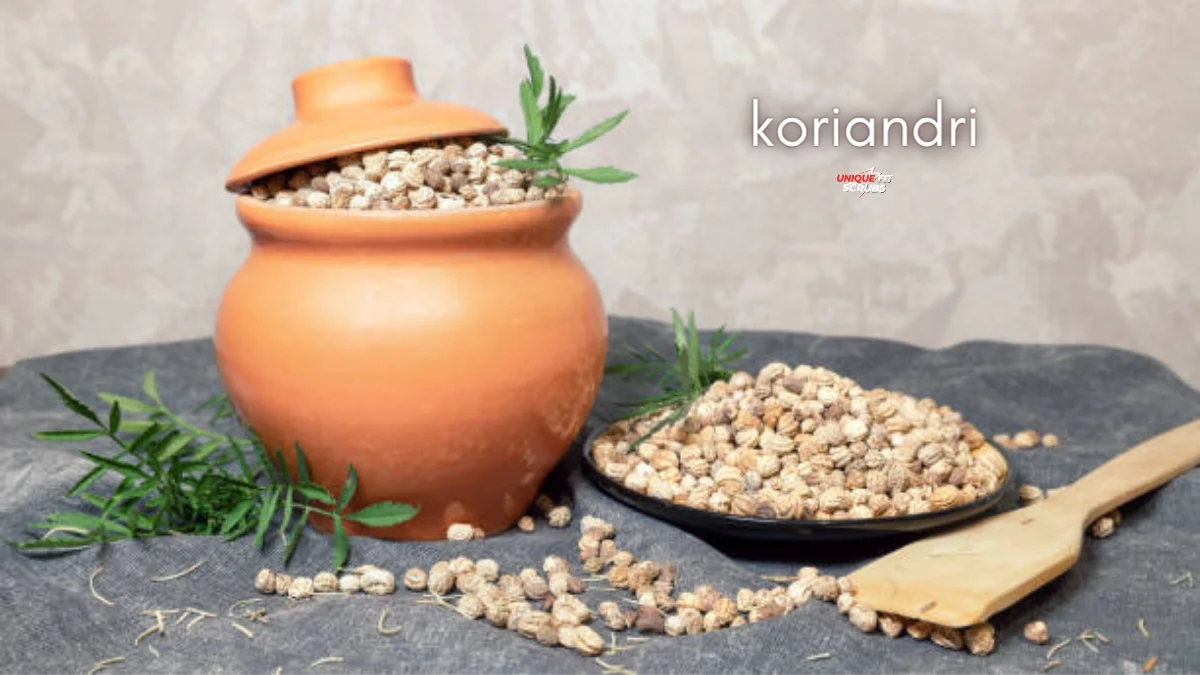
Introduction to Koriandri
Koriandri, often known as coriander or cilantro, is a herb that can evoke strong opinions. Some people love its fresh, citrusy flavor while others shy away from it due to its unique taste profile. Regardless of your stance on this aromatic green, there’s no denying its significance in various culinary traditions and health practices around the world. From ancient civilizations to modern kitchens, koriandri has earned a place at the table—and in our spice cabinets.
But did you know that this humble herb boasts an impressive history and a wealth of health benefits? Beyond enhancing dishes with its vibrant flavor, koriandri also offers nutritional perks that are hard to ignore. If you’re curious about how to incorporate more of this versatile ingredient into your meals or want to learn why it’s celebrated globally, you’ve come to the right place! Let’s dive deep into the fascinating world of koriandri—from its rich heritage and health advantages to creative ways you can use it every day.
The History of Koriandri
Koriandri, also known as coriander or cilantro, has a rich history that dates back thousands of years. It is one of the oldest herbs in human cultivation. Ancient Egyptians prized it for its culinary and medicinal properties, often using it in their embalming processes.
As trade routes expanded, koriandri spread across Europe and Asia. In ancient Greece, philosophers like Hippocrates mentioned its benefits for digestion. The Romans adored this herb too, incorporating it into various dishes.
In medieval times, koriandri was believed to have magical qualities. People thought it could ward off evil spirits and serve as an aphrodisiac.
Today, this versatile herb enjoys global popularity thanks to its distinct flavor profile and health benefits. Koriandri continues to be a staple in cuisines worldwide—from Indian curries to Mexican salsas—demonstrating its enduring appeal through the ages.
Nutritional Value and Health Benefits
Koriandri, commonly known as coriander or cilantro, boasts an impressive nutritional profile. Rich in vitamins A, C, and K, it supports healthy skin and boosts immune function.
This herb is also a source of essential minerals like potassium and magnesium. These nutrients are vital for maintaining heart health and regulating blood pressure.
Beyond its nutrient content, koriandri possesses powerful antioxidant properties. Antioxidants help combat oxidative stress in the body, which can lead to various chronic diseases.
Moreover, koriandri has been linked to digestive benefits. It may aid digestion by stimulating appetite and reducing bloating.
Some studies suggest that this fragrant herb could have anti-inflammatory effects as well. Including koriandri in your diet might help alleviate symptoms associated with inflammation-related conditions.
Culinary Uses of Koriandri
Koriandri, often known as coriander or cilantro, is a versatile herb that elevates countless dishes. Its fresh leaves add brightness to salads and salsas.
In Mediterranean cuisine, koriandri shines in tabbouleh and other grain-based salads. The seeds are equally invaluable; they bring warmth to spice blends and curries.
Asian cuisines celebrate koriandri in stir-fries and soups, enhancing flavors with its unique aroma. It’s an essential ingredient in Thai green curry and Indian chutneys.
For those who enjoy Mexican food, fresh koriandri is a must-have for guacamole or tacos. Its vibrant taste balances spicy elements beautifully.
Try using chopped leaves as a garnish on virtually any dish for added freshness. Whether blended into sauces or sprinkled atop roasted vegetables, this herb transforms ordinary meals into extraordinary experiences.
How to Incorporate Koriandri into Your Diet
Adding koriandri to your meals can elevate flavors and boost nutritional value. Start with fresh leaves, which work wonderfully in salads. Toss them into a vibrant mix of greens for a refreshing crunch.
You can also blend koriandri into smoothies or juices for an herbal twist. This adds a unique flavor profile while giving you essential nutrients.
For cooked dishes, consider adding the seeds. Toasted or ground, they infuse curries and stews with warmth. A pinch can transform basic recipes into something extraordinary.
Don’t forget about garnishing! Sprinkle freshly chopped koriandri over tacos, soups, or grilled meats for that final touch of brightness.
Experimenting is key; try incorporating it in marinades or dressings as well. The versatility of koriandri allows it to complement various cuisines seamlessly.
The Global Popularity of Koriandri
Koriandri, or coriander as it’s commonly known, has captivated taste buds around the globe. This versatile herb finds its place in various cuisines, from Mexican salsas to Indian curries. Its fresh leaves and seeds add a unique flavor that transcends cultural boundaries.
In Asia, koriandri is revered for its aromatic qualities. In Middle Eastern dishes, it complements spices beautifully. The herb’s presence in Mediterranean cooking also showcases its adaptability and importance.
As culinary enthusiasts embrace global flavors, koriandri shines brightly on many restaurant menus and home kitchens alike. Food bloggers often celebrate this ingredient for elevating simple dishes to gourmet experiences.
The rise of health-conscious eating has further propelled koriandri into the spotlight. People are not only drawn to its taste but also to its numerous nutritional benefits. This ancient herb continues to flourish in modern diets worldwide.
Conclusion and Recommendations for Trying Koriandri
Koriandri holds a unique place in both culinary and health realms. Its rich history spans various cultures, showcasing its versatility and significance. The impressive nutritional profile offers numerous health benefits that can enhance your well-being.
Incorporating koriandri into your meals is simple, with endless possibilities ranging from salads to soups, or even as a garnish for main dishes. As it gains popularity worldwide, many chefs are exploring innovative ways to use this herb in their kitchens.
For those looking to spice up their cooking while reaping health rewards, trying koriandri might be an excellent choice. Whether you enjoy it fresh or dried, the flavors of koriandri can elevate any dish. It’s time to explore this remarkable herb and experience what it has to offer in your culinary journey!

Introduction to Lyposingrass
Have you ever heard of lyposingrass? This remarkable plant has been gaining attention for its diverse benefits and unique properties. With a rich history rooted in traditional medicine, it offers a fascinating glimpse into the intersection of nature and health. As more people search for natural ways to enhance their wellness, lyposingrass is stepping into the spotlight.
Imagine harnessing the power of an herb that not only supports your body but also brings flavors to your meals. From boosting immunity to aiding digestion, this versatile grass packs a punch in both nutrition and culinary uses. Yet the real question remains — how well does modern research actually back up the claimed effectiveness of Lyposingrass? Let’s dive into everything you need to know about lyposingrass—from its nutritional profile to how you can incorporate it into your daily routine!
The History of Lyposingrass
Lyposingrass has a rich and intriguing history that spans various cultures. Originating in the tropical regions of Southeast Asia, this plant was traditionally used by indigenous communities for its remarkable healing properties.
Ancient texts from herbalists mention lyposingrass as a versatile remedy. Its leaves were often brewed into teas or applied topically to treat ailments ranging from digestive issues to skin irritations.
As trade routes expanded, knowledge of lyposingrass spread across continents. By the time it reached Western medicine, it had already established itself as an important herb in folk remedies.
In modern times, interest in lyposingrass surged with the rise of natural wellness trends. Researchers began investigating its potential benefits, drawing on centuries-old practices while integrating contemporary scientific methods. This blend of tradition and innovation continues to shape our understanding today.
Nutritional Content and Health Benefits
Lyposingrass packs a powerful nutritional punch. This herb is rich in vitamins, particularly vitamin C and several B vitamins. These nutrients are essential for maintaining a healthy immune system and energy levels.
Additionally, lyposingrass offers a good amount of fiber. Fiber plays an important role in digestive health and can help regulate blood sugar levels.
The antioxidant properties found in lyposingrass are noteworthy as well. They combat free radicals, potentially reducing the risk of chronic diseases.
Some studies suggest that this herb may have anti-inflammatory effects, which could be beneficial for those suffering from conditions like arthritis or other inflammatory disorders.
Moreover, lyposingrass has been traditionally used to support respiratory health by soothing coughs and promoting easier breathing. Its natural compounds might also aid in stress reduction and promote relaxation.
Traditional and Modern Uses of Lyposingrass
Deeply embedded in cultural heritage, Lyposingrass carries a long-standing legacy of practical and medicinal applications passed down through generations. Indigenous cultures have long harnessed its properties for various medicinal purposes. It’s often brewed into teas believed to soothe digestive issues and promote overall wellness.
In contemporary settings, lyposingrass is gaining traction in the culinary world. Chefs are incorporating it into salads, smoothies, and even desserts for its unique flavor profile. Its subtle earthy notes can elevate dishes while providing health benefits.
The rise of wellness trends has also seen the herb featured in supplements aimed at boosting immunity and energy levels. As more people seek natural remedies, lyposingrass fits seamlessly into this shift toward holistic health practices.
Aromatic oils from lyposingrass are becoming popular as well. Used in aromatherapy, they may help reduce stress and enhance relaxation experiences at home or spa settings.
Scientific Studies on the Efficacy of Lyposingrass
Recent research has begun to shed light on the potential benefits of lyposingrass. Some studies suggest it may possess antioxidant properties, which can help combat oxidative stress in the body.
In a notable experiment, lyposingrass extracts showed promise in reducing inflammation markers. This finding indicates that it could play a role in managing conditions related to chronic inflammation.
Moreover, another study explored its effects on digestive health. Participants who incorporated lyposingrass into their diets reported improved gut function and reduced bloating.
However, more extensive trials are necessary to fully understand its therapeutic applications. Researchers continue to investigate how lyposingrass interacts with different biological systems and its suitability for various health issues.
As interest grows within the scientific community, we await further findings that might validate traditional uses or uncover new ones for this fascinating plant.
How to Incorporate Lyposingrass into Your Diet?
Adding Lyposingrass to your everyday meals is a surprisingly effortless and satisfying way to elevate both flavor and nutritional value. Start by adding fresh leaves to salads for a vibrant flavor boost. The grassy, citrusy notes pair beautifully with greens and other vegetables.
You can also blend lyposingrass into smoothies. Just a small handful adds a unique taste while enhancing nutritional value. Experimenting with soups? Toss in some chopped lyposingrass during the last few minutes of cooking for extra zest.
For those who love tea, consider brewing it as an herbal infusion. Steep the leaves in hot water for a refreshing drink that packs health benefits.
If you’re feeling adventurous, try using dried lyposingrass as a seasoning on grilled meats or fish. Its aromatic properties enhance dishes without overpowering them.
Cooking with this versatile ingredient not only diversifies your meals but also enriches your nutrient intake seamlessly.
Potential Risks and Precautions When Using Lyposingrass
While lyposingrass boasts numerous benefits, it’s essential to approach its use with caution. Some individuals may experience allergic reactions, particularly if they have sensitivities to similar plants.
Moderation is key; excessive consumption can lead to digestive discomfort or other gastrointestinal issues. Always start with small amounts to assess your body’s response before increasing intake.
Pregnant or breastfeeding women should consult a healthcare professional prior to incorporating lyposingrass into their diet, as safety has not been extensively studied in these groups.
If you are on medication, especially blood thinners or diabetes medications, discussing the addition of lyposingrass with your doctor is crucial. This herb could potentially interact and affect how these medications work.
Being informed helps ensure that you’re safely benefiting from this remarkable plant without unintended consequences.
Conclusion: Is Lyposingrass Right for You?
Lyposingrass is gaining attention for its numerous potential benefits, from nutritional support to traditional healing practices. Its rich profile of vitamins and minerals makes it an attractive addition for those seeking natural health solutions. However, like any supplement or herb, personal experiences may vary.
Before incorporating lyposingrass into your routine, consider your individual health needs and consult with a healthcare professional if necessary. Understanding how it fits into your diet can ensure that you reap the most benefits while minimizing risks.
As this intriguing plant continues to be explored in modern research, staying informed will help you make educated decisions about whether lyposingrass aligns with your wellness goals. Whether you’re looking for added nutrition or exploring alternative remedies, it’s important to approach lyposingrass thoughtfully and intentionally.

Introduction to Pantagonar
Have you ever stumbled upon a concept so intriguing that it sparks your curiosity? Enter Pantagonar, a term that’s been creating quite the buzz in various circles. Whether you’re an avid seeker of knowledge or just someone looking to expand your horizons, Pantagonar promises to captivate. This fascinating idea blends elements of philosophy, personal development, and social dynamics into something uniquely refreshing. So what exactly is Pantagonar? Let’s dive deeper into this captivating concept and uncover its layers together!
History and Origins of Pantagonar
The concept of Pantagonar has roots that stretch back to ancient cultures. Many scholars believe it emerged from various philosophical movements in the East, where harmony and balance were central themes.
Initially, it was a way for thinkers to explore interconnectedness among people and nature. As societies evolved, so did their interpretations of this idea. Different regions adapted its principles according to their cultural contexts.
In the modern era, interest in Pantagonar surged as global awareness increased about sustainability and community building. People began recognizing its relevance amid growing challenges like climate change and social disconnection.
This evolution reflects humanity’s ongoing quest for meaning and connection in an increasingly fragmented world. Each iteration brings new insights while retaining core tenets rooted in unity and purpose.
The Meaning and Purpose of Pantagonar
Pantagonar represents a unique blend of philosophy and practice, designed to enhance personal growth. It encourages individuals to embrace their inner strengths and explore new realms of understanding.
At its core, Pantagonar emphasizes balance—between mind, body, and spirit. This equilibrium is vital for achieving a fulfilling life.
The purpose behind Pantagonar goes beyond mere self-improvement. It fosters connections with others while cultivating empathy and compassion. This interconnectedness enriches not just the practitioner’s life but also the community around them.
Moreover, Pantagonar invites participants to engage in reflective practices that promote mindfulness. Through these moments of introspection, deeper insights about oneself can emerge.
As people navigate today’s complexities, the meaning of Pantagonar resonates more than ever—a call to harmonize one’s existence amidst chaos.
How Does Pantagonar Work?
Pantagonar operates on a fundamental concept of interconnectedness. It emphasizes the relationship between individuals and their surroundings, fostering a sense of community.
At its core, Pantagonar encourages participants to engage deeply with their thoughts and emotions. This introspection facilitates personal growth and understanding.
Practitioners often utilize specific techniques such as mindfulness exercises or journaling. These methods help in acknowledging feelings while also promoting self-awareness.
Additionally, group activities play a vital role in the practice. Sharing experiences with others creates bonds that enhance learning and support.
The dynamic nature of Pantagonar means it can be tailored to fit individual needs. Whether through workshops or daily routines, each person finds their unique path within this framework.
Benefits of Practicing Pantagonar
Practicing Pantagonar can offer a range of benefits for those who delve into its principles. At its core, it promotes mindfulness and self-awareness. As practitioners immerse themselves in the concept, they often find clarity in their thoughts and emotions.
Physical well-being is another advantage that comes with Pantagonar. Engaging in specific exercises linked to this practice can boost energy levels and improve flexibility.
Social connections also flourish within the Pantagonar community. Sharing experiences fosters strong bonds among participants. This sense of belonging enhances emotional resilience.
Creativity may see an uptick as well. The open-mindedness encouraged by Pantagonar allows individuals to explore new ideas without fear of judgment.
Many report a profound sense of inner peace after incorporating these practices into their routines. Embracing pantagonar truly opens doors to personal growth and transformation.
Incorporating Pantagonar into Daily Life
Incorporating Pantagonar into your daily life can be an enriching experience. Start by setting aside a few minutes each day for reflection and practice. This quiet time allows you to connect with the core principles of Pantagonar.
Consider integrating mindfulness techniques during routine activities. Whether you’re commuting, cooking, or exercising, focus on being present in each moment. This cultivates awareness and enhances your connection to the world around you.
You might also explore creative outlets that resonate with the essence of Pantagonar. Art, writing, or even gardening can serve as powerful expressions of its philosophy.
Join local groups or online communities centered around Pantagonar practices to share experiences and learn from others. Engaging with like-minded individuals fosters a supportive environment for growth.
Keep a journal dedicated to your journey with Pantagonar. Documenting thoughts and progress helps track how this concept evolves in your life over time.
Criticisms and Controversies Surrounding Pantagonar
Pantagonar has sparked its fair share of debates. Critics often question the validity of its principles and whether they truly yield the promised results.
Skeptics argue that many claims surrounding Pantagonar lack scientific backing. They point to anecdotal evidence rather than robust studies, leading to concerns about transparency and credibility.
Moreover, some practitioners have raised ethical issues around commercialization. As Pantagonar gains popularity, certain groups may exploit it for profit, diluting its original intent.
The community is not without internal strife either. Differing interpretations of what Pantagonar truly means can lead to disagreements among followers, causing splinter factions within the movement.
There’s a growing concern over mental health implications. Some individuals report feeling overwhelmed by the expectations tied to practicing Pantagonar in their daily lives. This raises important questions about balance and personal well-being within this evolving concept.
Conclusion: Is Pantagonar Worth Exploring?
The exploration of Pantagonar opens up a realm of intriguing possibilities. This concept, with its unique origins and multifaceted meanings, invites curiosity and contemplation. Many individuals have found value in practicing Pantagonar. It encourages self-discovery and personal growth, offering various benefits to mental and emotional well-being.
Bringing Pantagonar into your everyday routine is a straightforward process that delivers genuinely fulfilling results. Whether through mindfulness practices or community engagement, it offers pathways for meaningful experiences. However, like any emerging idea, it faces criticisms that warrant consideration.
The decision to explore Pantagonar lies within each individual’s journey. For those seeking new perspectives or methods for enrichment, this concept might just be worth delving into further. The discussion surrounding Pantagonar is still evolving; who knows what insights may emerge next?
-
 Fashion8 months ago
Men’s Moss Cobaki Scrub Jacket | FIGS Performance Scrubs
-
 Technology8 months ago
Tatasec.org: Your Ultimate Guide to Entrepreneurship and Cybersecurity Insights in 2026
-

 Blog8 months ago
What Is Leonaarei? A Complete Guide to Its Meaning and Use Cases
-
 Health8 months ago
UniqueFit Scrubs Medical Apparel – Premium Comfort for Healthcare Professionals
-
 Health8 months ago
Runlia: Transform Your Athletics with the Leading Fitness App for Elite Performance in 2026
-
 Fashion8 months ago
Infinity GNR8 Men’s 4-Pocket Stretch Rib-Knit Zip Front Scrub Jacket
-

 Blog8 months ago
Sosoactive: The Digital Culture Engine Powering Modern Brands and Startups
-
 Fashion8 months ago
Tasyyblack: Explore Trending Blogs, Fashion, and Culinary Insights on Tasyyblack.com in 2026