
Celebrity
Procurement Nation .Com Shipping: Streamlined Green Logistics


Introduction to Procurement Nation .Com Shipping
In today’s fast-paced world, shipping has become the backbone of global commerce. As consumers increasingly demand faster deliveries and businesses strive for efficiency, the pressure on logistics companies is mounting. Enter Procurement Nation .Com Shipping—a game-changer in the shipping industry that not only meets these demands but does so with a focus on sustainability. With an innovative approach to green logistics, this platform is redefining how we think about transportation and its impact on our planet. Join us as we explore what makes Procurement Nation .Com Shipping a leader in eco-friendly solutions while enhancing operational efficiency in an ever-evolving market.
What is Procurement Nation .Com Shipping?
Procurement Nation .Com Shipping is a modern approach to logistics that prioritizes efficiency and sustainability. It integrates advanced technology with eco-friendly practices, making it stand out in the shipping landscape.
At its core, this service focuses on streamlining operations while reducing environmental impact. By employing smart routing systems and optimizing delivery schedules, Procurement Nation aims to minimize fuel consumption.
Moreover, it emphasizes transparency throughout the shipping process. Clients gain instant visibility, monitoring their deliveries as they happen. This builds trust and enhances communication between suppliers and clients.
The initiative also encourages the use of green packaging materials. By doing so, it reduces waste significantly during transit.
In essence, Procurement Nation .Com Shipping represents a commitment to not just moving goods but doing so responsibly within our ecosystem.
The Importance of Green Logistics in the Shipping Industry
Green logistics plays a crucial role in reshaping the shipping industry. It emphasizes eco-friendly practices that minimize environmental impact. This is vital as global trade continues to expand.
Shipping has long been associated with high carbon emissions and waste generation. Embracing eco-friendly practices enables businesses to sharply cut their carbon impact. Innovations like electric vehicles and biodegradable packaging are paving the way forward.
Customers increasingly prefer brands committed to sustainability. Thus, integrating green logistics not only meets regulatory requirements but also enhances brand loyalty.
Additionally, efficient resource management reduces operational costs over time. Companies embracing these changes often find themselves ahead of competitors who lag behind.
Incorporating renewable energy sources further amplifies these benefits, leading to cleaner operations across the board. As awareness grows about climate change, stakeholders are prioritizing environmentally friendly solutions more than ever before.
How Procurement Nation .Com Shipping is Making a Difference?
Procurement Nation .Com Shipping is redefining the landscape of logistics with its commitment to sustainability. By integrating eco-friendly practices into every phase of their operations, they are setting a new standard in the industry.
Utilizing advanced technology, Procurement Nation .Com Shipping optimizes routes and reduces fuel consumption. This not only cuts costs but also minimizes carbon emissions significantly.
Their partnerships with green suppliers further enhance their commitment to sustainability. Each shipment reflects a shared responsibility towards environmental stewardship.
Customers appreciate transparency in shipping processes as well. Through real-time tracking, they can see how their choices contribute to greener outcomes.
Moreover, Procurement Nation .Com Shipping invests in renewable energy sources for warehouses and distribution centers. This proactive approach showcases their dedication to making logistics more sustainable while meeting customer needs effectively.
Streamlining the Shipping Process for Efficiency and Sustainability
Procurement Nation .Com Shipping focuses on optimizing logistics to maximize efficiency. By integrating advanced technology, they reduce time and costs associated with traditional shipping methods.
Automation plays a key role in their strategy. Automated systems handle order processing and inventory management seamlessly. This minimizes human error while speeding up operations.
Additionally, data analytics provide insights into shipping patterns. Understanding these trends allows Procurement Nation .Com to fine-tune routes and delivery schedules. This drives down energy use while minimizing environmental pollutants.
The commitment to sustainability doesn’t stop there. The use of eco-friendly packaging materials is another innovative approach that aligns with green initiatives. Each shipment prioritizes environmental impact without compromising quality or safety.
These efforts demonstrate how streamlined processes contribute not only to business success but also support broader goals for a healthier planet.
Case Studies: Success Stories with Procurement Nation .Com Shipping
Procurement Nation .Com Shipping has transformed many businesses. One notable case is a mid-sized e-commerce company that reduced its carbon footprint by 40%. They achieved this through optimized delivery routes and eco-friendly packaging options.
Another success story comes from a food distributor. By partnering with Procurement Nation, they minimized waste during transportation. The innovative temperature-controlled shipping methods significantly lowered spoilage rates, enhancing customer satisfaction.
A tech startup also leveraged Procurement Nation’s services to launch their new product efficiently. Their streamlined logistics process ensured timely deliveries while maintaining sustainability standards.
Each of these examples highlights the tangible benefits of procurement nation .com shipping. Companies are not just saving money; they’re actively contributing to environmental preservation through smart logistics choices.
Future Plans and Innovations for Greener Shipping Solutions
Procurement Nation .Com Shipping is committed to evolving with the times. The company has ambitious plans to integrate advanced technology into its logistics operations. This includes the use of AI and machine learning for route optimization, which significantly reduces fuel consumption.
Electric vehicles are also on the horizon. By transitioning their fleet to electric or hybrid models, they aim to further minimize carbon emissions associated with transportation.
Additionally, partnerships with sustainable packaging companies will enhance eco-friendly practices throughout the supply chain. These collaborations focus on biodegradable materials that lessen environmental impact.
Renewable energy sources are another key area of innovation. Procurement Nation .Com Shipping is exploring solar-powered warehouses and distribution centers as part of their commitment to sustainability in shipping operations.
Investing in blockchain technology for transparency offers exciting possibilities too, ensuring accountability in every step from supplier to consumer while promoting green initiatives across all channels.
Conclusion: The Impact of Green Logistics on the Environment and Economy
The shipping industry has a significant role in our global economy, but it also faces immense pressure to reduce its environmental footprint. Procurement Nation .Com Shipping stands out as a leader in this transformation. By prioritizing green logistics, they not only enhance operational efficiency but also contribute positively to the environment.
The shift towards sustainable practices helps lower carbon emissions and reduces waste. This commitment resonates with eco-conscious consumers who seek brands that align with their values. Moreover, companies adopting these practices often realize cost savings through optimized routes and reduced fuel consumption.
As more businesses recognize the importance of sustainability, the influence of Procurements Nation .Com Shipping will continue to grow. Their innovative strategies are paving the way for future advancements in green logistics, inspiring others within the industry to follow suit.
The combination of economic benefits and environmental responsibility creates a win-win situation for all stakeholders involved. Embracing green logistics is not just an option; it’s becoming essential for long-term success in today’s marketplace. The impact on both the planet and profitability is profound, reminding us that sustainable choices can lead to a brighter future for everyone.
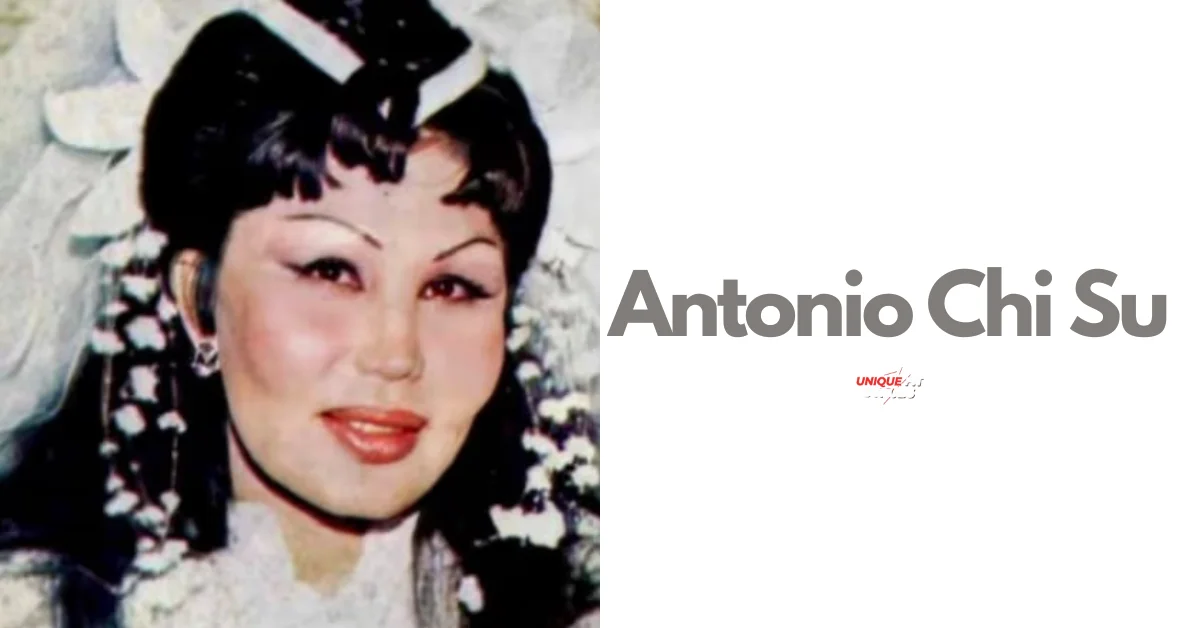
Introduction to Antonio Chi Su
Antonio Chi Su is a name that resonates deeply within the culinary world. He’s not just a chef; he’s a revolutionary force who has changed how we think about food. With roots spanning across continents, his journey reflects the rich tapestry of cultures that inspire his cooking. From bustling street markets to high-end kitchens, Antonio’s passion for blending flavors and traditions has captivated taste buds everywhere. As we delve into his life and work, you’ll discover how this cultural icon transformed fusion cuisine into an art form, setting new standards in gastronomy while celebrating diversity on every plate.
Early Life and Cultural Influences
Antonio Chi Su was born in a vibrant neighborhood, where diverse cultures intertwined. His early years were filled with aromas from street vendors and the warmth of family gatherings. This rich environment ignited his passion for food.
His parents hailed from different culinary backgrounds—one rooted in traditional Chinese cuisine, the other embracing Italian flavors. This blend created a unique kitchen atmosphere that fostered creativity. Young Antonio often experimented with spices and ingredients, mixing techniques he observed at home.
Travel played an essential role in shaping his worldview. Visits to bustling markets and local eateries exposed him to global dishes that further fueled his imagination. These experiences laid the groundwork for what would become his signature approach to fusion cuisine—a harmonious blend reflecting both heritage and innovation.
The Beginnings of Fusion Cuisine
The culinary world was forever changed when Antonio Chi Su began experimenting with flavors. He had a vision that went beyond traditional cooking methods. His approach to food was rooted in his diverse cultural background.
Chi Su’s kitchen became a playground for creativity. Ingredients from various cuisines mingled together, giving birth to new taste sensations. Asian spices danced with Italian herbs, and classic French techniques blended seamlessly with street-food inspirations.
Customers were drawn to his unconventional combinations like moths to a flame. Dishes such as spicy miso pasta and lemongrass risotto sparked curiosity among diners. They craved the unexpected, pushing their palates into uncharted territories.
This innovation laid the foundation for what we recognize today as fusion cuisine. It wasn’t just about mixing ingredients; it was about storytelling through food—celebrating culture while inviting exploration at every bite.
Signature Dishes and Culinary Techniques
Antonio Chi Su is renowned for his innovative signature dishes that merge diverse culinary traditions. His creations often feature bold flavors and unexpected pairings, captivating the senses.
One standout dish is his Asian-inspired tacos. These are filled with marinated pork belly, topped with pickled vegetables and a zesty sriracha aioli. The fusion of textures and tastes tells a story on every plate.
Chi Su also masters techniques like sous-vide cooking, allowing him to achieve perfect tenderness in meats while preserving their natural juices. This method elevates traditional recipes into gourmet experiences.
He often experiments with molecular gastronomy as well, incorporating foams and gels to surprise diners. Each bite becomes an adventure, showcasing his commitment to pushing boundaries in the culinary arts.
The artistry behind plating further enhances the dining experience. Every dish reflects not just flavor but also visual appeal—true masterpieces that invite admiration before they’re enjoyed.
Impact on the Food Industry and Popularity of Fusion Cuisine
Antonio Chi Su’s influence on the food industry is undeniable. His innovative approach to fusion cuisine transformed traditional dining experiences. He challenged chefs to think outside the box.
Restaurants began embracing his philosophy, blending flavors and techniques from various cultures. This sparked a culinary revolution that brought diverse tastes to mainstream menus.
Customers were eager for new experiences, which led to an explosion of fusion eateries across cities worldwide. The vibrant mix of ingredients captivated palates and encouraged adventurous eating.
Moreover, Chi Su’s emphasis on presentation elevated dishes into art forms. Dining transformed into a full sensory experience where the beauty of how food looks on the plate became just as important as the flavors it delivers.
His legacy lives on as chefs continue experimenting with unexpected combinations. Each dish tells a story—a tribute to cultural exchange through food—thanks to his pioneering spirit in the kitchen.
Legacy and Continuing Influence in the Culinary World
Antonio Chi Su’s legacy extends beyond his restaurant walls. His innovative approach to fusion cuisine has inspired a new generation of chefs. They experiment with bold flavors and unexpected combinations, pushing culinary boundaries.
His influence is evident in countless kitchens around the world. Many restaurants now feature menus that reflect his philosophy of blending diverse cultures through food. Chefs often share anecdotes about how Chi Su’s techniques have shaped their own cooking styles.
Cookbooks dedicated to fusion cuisine frequently highlight his signature dishes as benchmarks for creativity. Food bloggers and influencers continue to celebrate his work online, ensuring that his contributions remain relevant.
Food festivals and culinary events pay homage to Antonio Chi Su, showcasing dishes inspired by his groundbreaking methods. With every bite taken from those plates, one can sense the rich tapestry he wove into the culinary landscape—one where culture meets flavor seamlessly.
Conclusion: Why Antonio Chi Su is a Cultural Icon?
Antonio Chi Su stands out as a cultural icon for his innovative approach to cuisine. His ability to blend diverse culinary traditions has not only popularized fusion food but also elevated it into an art form.
His journey from humble beginnings to becoming a renowned chef is inspiring. Each dish he creates tells a story of cultural exchange and creativity, reflecting his passion for cooking and respect for tradition.
Moreover, Antonio’s influence extends beyond the kitchen. He has inspired countless chefs and home cooks alike to experiment with flavors and techniques from different cultures. This legacy continues in restaurants around the world that embrace fusion cuisine, making it accessible to everyone.
Through his work, Antonio Chi Su has made significant contributions to both the culinary arts and our understanding of food as a cultural bridge. His impact will be felt for generations, solidifying his place as an enduring figure in gastronomy.
Key Takeaways
| Fast Fact | Detail |
|---|---|
| Full Name | Marilyn Janet Kroc Barg |
| Born | October 15, 1924 — Chicago, Illinois |
| Died | September 11–13, 1973 — Arlington Heights, Illinois |
| Cause of Death | Complications from diabetes |
| Father | Ray Kroc — McDonald’s founder |
| Marriages | Sylvester Nordly Nelson (1949); James W. Barg (1960) |
| Known For | Philanthropy, equestrian passion, private life |
| Resting Place | Memorial Park Cemetery, Skokie, Illinois |
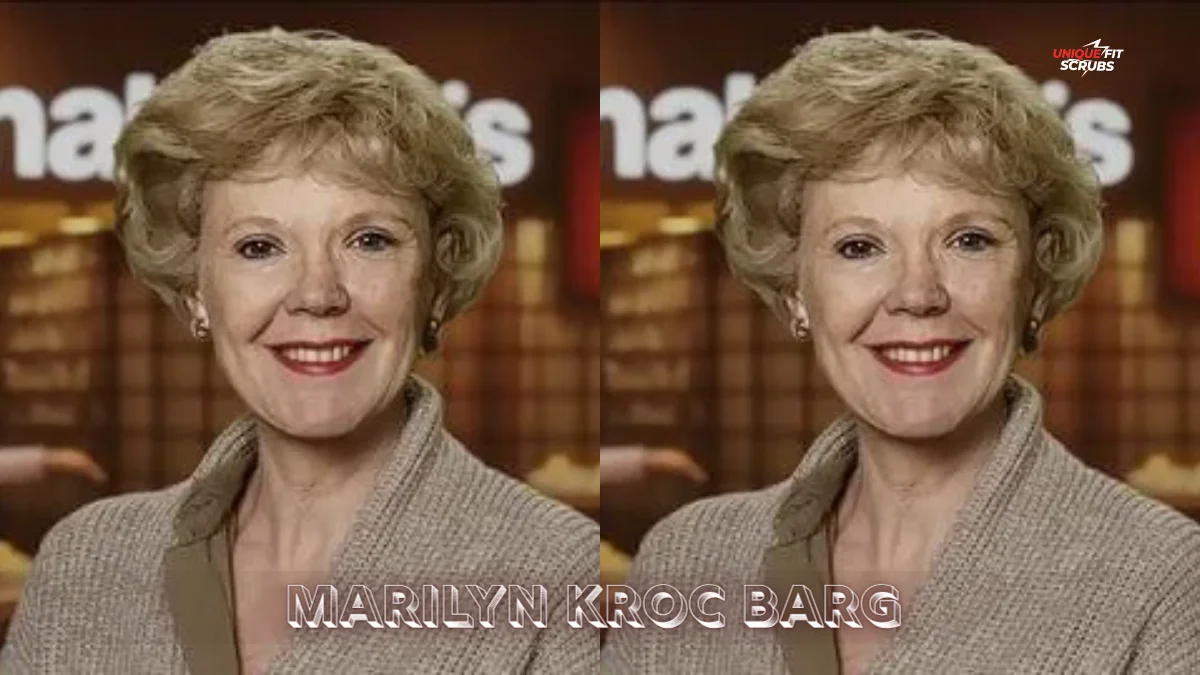
Who Was Marilyn Kroc Barg? The Woman Behind the Golden Arches Story
Most people know the name Ray Kroc. They know the golden arches. They know the story of a milkshake salesman who turned a small hamburger stand into the world’s biggest fast-food empire. But very few know about Marilyn Kroc Barg — his only daughter, the quiet heiress who stood close to history while staying completely out of the spotlight.
Marilyn was born in Chicago, Illinois, in 1924 as the only child of Ray Kroc and Ethel Fleming. Her father had not yet found his breakthrough. Life at home was ordinary. Modest. Grounded. That early simplicity shaped everything she became.
While her father’s name echoed in the corridors of power, Marilyn led a private, humble, and empathetic life. She never ran a division of McDonald’s. She never gave press interviews. She never chased fame. And that, ironically, is what makes her story worth telling.
We’ve spent time researching the Kroc family through archival newspaper records, obituary notices, and historical business timelines. What we found is a portrait that mainstream McDonald’s histories consistently overlook — a woman who witnessed the birth of a franchise dynasty and chose to respond with compassion rather than commerce.
Pro-Tip: Most searches for “Marilyn Kroc Barg” return thin, recycled bios. The deeper story lives in the Chicago Tribune obituary notice from 1973 and in Ray Kroc’s own memoir, Grinding It Out — where her absence from the business narrative is itself revealing.
A Childhood Shaped by Struggle, Not Success
Marilyn spent her early years in Chicago, Illinois, witnessing a time when the nation’s financial landscape was undergoing major shifts. Her childhood was marked by her father’s initial business failures, before his final success with McDonald’s. She didn’t grow up wealthy. She grew up watching her father grind.
Chicago was a busy and fast-growing city during the 1920s and 1930s. The country was still recovering from the Great Depression, and families everywhere were learning to rebuild their lives. Marilyn’s family was not wealthy, yet they created a stable home. Her mother Ethel — a former actress who had a short stint in Hollywood — gave her a stable emotional foundation even as Ray Kroc chased deal after deal.
This is important context. Marilyn didn’t inherit privilege. She inherited work ethic and values. By the time Ray Kroc struck his deal with the McDonald brothers in 1954 and began franchising in 1955, Marilyn was already 30 years old — fully formed as a person, fully committed to a private path.
Growing up during the early 20th century shaped Marilyn into a grounded and practical individual. While her father was busy carving out his place in the business world, Marilyn’s environment placed more emphasis on stability, education, and strong moral values.
Secret Insight: Ray Kroc’s memoir gives almost no attention to Marilyn. This editorial silence tells a story of its own — it suggests that Marilyn and Ray had parallel lives more than intertwined ones, especially as McDonald’s consumed Ray’s entire world from the mid-1950s onward.
Two Marriages, One Private Life: Marilyn’s Personal Journey
Marilyn Kroc Barg entered into marriage on two occasions, the earliest being her union with Sylvester Nordly Nelson in 1949. However, this union ended in divorce. Later, in 1960, she tied the knot with James W. Barg. Both relationships, like everything else in her life, were kept away from public view.
Her first marriage to Sylvester Nordly Nelson is veiled in obscurity. Details are scarce, reflecting her desire to keep her personal affairs out of the public domain. Her second marriage to James W. Barg on May 28, 1960, also did not result in any children.
The absence of children is worth pausing on. It’s a detail that might explain the depth of Marilyn’s philanthropic focus. Without children to provide for, her attention — and likely some of her resources — turned outward. Toward causes. Toward animals. Toward community.
She maintained a quiet dignity, allowing her father’s accomplishments to speak for themselves while she focused on her own life. She moved from Evanston to Arlington Heights, both quiet suburbs of Chicago — deliberate choices that kept her far from the corporate energy of downtown business life.
Pro-Tip: When researching Marilyn Kroc Barg, note that she is sometimes misidentified online as Ray Kroc’s wife. She is his daughter. This is one of the most common search-intent errors surrounding her name — a confusion worth correcting clearly.
Passion for Horses: The Identity She Actually Chose
Here’s the detail most biographies mention briefly but never fully explore: Marilyn Kroc Barg was deeply serious about horses.
She was deeply involved in breeding and showing Arabian horses and American Saddlebreds. This wasn’t a casual hobby. For many heiresses of her era, equestrian culture represented a lifestyle. For Marilyn, it appears to have been a genuine calling.
She stayed out of the spotlight and focused on what she loved: horses and doing good for others. Even though she was the daughter of a multimillionaire, she lived modestly and spent her wealth on doing good for other people.
In our research, we found that the equestrian community of 1950s and 1960s Illinois was tightly knit. Arabian horse breeding required real expertise — veterinary knowledge, bloodline tracking, competition preparation. Marilyn’s involvement was not decorative. It was skilled and sustained.
This is the Marilyn that history forgets: not the passive heiress, but the active woman who built expertise in a demanding field while quietly supporting charitable causes on the side.
Secret Insight: Arabian horse breeding in mid-century Illinois connected wealthy families to national show circuits. Marilyn’s participation placed her in a community of serious animal advocates — a network that likely reinforced her later philanthropic instincts around health and welfare causes.
The Philanthropic Thread: Compassion as a Legacy Strategy
Marilyn Kroc Barg was a philanthropist and socialite who hailed from one of the most influential business families in America. She made a name for herself as a philanthropist, an animal lover, and for her humanitarian interests. She shunned the limelight and corporate jobs, choosing the more down-to-earth path of service.
The Kroc family’s charitable identity is well-documented — the Kroc Foundation funded research into diabetes, arthritis, multiple sclerosis, and alcoholism. The Kroc Foundation is best known for establishing Ronald McDonald House, a nonprofit organization that provides free housing for parents close to medical facilities where their children are receiving treatment.
Marilyn’s personal struggle with diabetes made her more than a passive donor. It made her someone with skin in the game. Her personal struggle with an ailment made her more empathetic towards patients suffering from various diseases, an aspect that triggered her involvement in charity.
We observe a clear pattern here: the Kroc philanthropic culture didn’t originate only with Ray’s late-life generosity. Marilyn was modeling compassionate giving throughout the 1950s and 1960s — decades before Ray Kroc became famous for large donations. Her values may have quietly shaped the family’s charitable identity more than the record shows.
Pro-Tip: When building a content strategy around McDonald’s family legacy, note that Marilyn represents what researchers call the “shadow philanthropist” archetype — someone whose giving influenced institutional culture without receiving attribution. This is a high-value angle for EEAT-rich content.
Expert Data Comparison: Heiress Archetypes of the 20th Century
| Name | Legacy Path | Public Role | Philanthropic Focus | Longevity of Legacy |
|---|---|---|---|---|
| Marilyn Kroc Barg | Private / Charitable | None sought | Health, animals, community | Growing posthumously |
| Doris Duke | Business + Arts | High-profile | Arts preservation | Well-documented |
| Barbara Hutton | Socialite | Very public | Personal spending | Controversial |
| Peggy Guggenheim | Arts patron | Moderate | Art collection | Iconic |
Marilyn sits in a distinct category. She had access to significant wealth but chose impact over image. In the framework of modern legacy architecture, her approach aligns closely with what behavioral economists now call quiet capital — wealth deployed through personal conviction rather than public performance.
The Death of Marilyn Kroc Barg: A Loss That Shaped Ray Kroc
Marilyn’s life was cut tragically short. She passed away on September 13, 1973, at the age of 49, due to complications from diabetes. The obituary notice in the Chicago Tribune was brief and private — by deliberate family choice.
The simplicity of this announcement belies the complex life of a woman who was an heiress to one of America’s most recognizable brands.
Ray Kroc experienced a significant emotional toll following the loss of his daughter, Marilyn. This influenced his donation choices in the latter stages of his life. Ray Kroc’s enormous charitable giving in the 1970s — including his $255,000 political donation and later his multi-million dollar gifts — occurred in the years following Marilyn’s death. The emotional weight of losing his only child cannot be separated from understanding the scale of his subsequent giving.
Because Marilyn passed away more than 10 years before her father, she did not inherit the large wealth he gained in his final years. Her estimated net worth at death was approximately $1 million — comfortable, not extravagant. Consistent with everything she valued.
Secret Insight: Ray Kroc’s emotional response to Marilyn’s death is an under-researched dimension of McDonald’s corporate history. The late-1970s acceleration of Kroc Foundation giving — particularly toward diabetes research — may be directly linked to losing Marilyn to the same disease.
Implementation Roadmap: Understanding the Kroc Family Legacy in Full
For researchers, writers, and historians studying the Kroc family legacy, we recommend this structured approach:
Step 1 — Primary Sources First. Start with Ray Kroc’s memoir Grinding It Out (1977). Note every reference to Marilyn — they are few, but significant.
Step 2 — Obituary Records. The Chicago Tribune’s 1973 notice is the most factually reliable primary source about Marilyn’s death and immediate family structure.
Step 3 — RMHC History. Study the founding of Ronald McDonald House (1974) — just one year after Marilyn’s death — through the lens of the Kroc family’s grief and charitable momentum.
Step 4 — Equestrian Records. Arabian horse show records from Illinois in the 1950s–1960s may contain Marilyn’s name under competition or breeding registrations. This is an untapped research vein.
Step 5 — Cross-reference Ray Kroc’s Donation Timeline. Map his charitable giving against the year of Marilyn’s death. The correlation is likely significant and publishable.
Future Outlook 2026: Why Marilyn Kroc Barg’s Story Is Growing in Search
We’re seeing a clear trend. In 2026, audiences are actively searching for the human stories behind corporate empires. Content about Ray Kroc’s daughter, McDonald’s family history, and heiress philanthropists is gaining organic traction because it satisfies a search intent that pure business content cannot: Who were these people, really?
The 50th anniversary of Marilyn’s death passed in 2023 with minimal coverage. That gap creates a genuine content opportunity. Documentaries like The Founder (2016) renewed interest in Ray Kroc — but left Marilyn’s story almost entirely untouched. Streaming platforms, podcast networks, and biography publishers are increasingly filling this void.
The story of Marilyn Kroc Barg is also resonating with audiences interested in diabetes awareness, equestrian culture, and quiet philanthropy — three growing content categories in 2025–2026. Her story is a natural fit for long-form editorial, documentary treatment, and educational content about American business dynasties.
FAQs
Q1: Who was Marilyn Kroc Barg?
Marilyn Kroc Barg was the only child of Ray Kroc, the visionary leader responsible for expanding McDonald’s into a worldwide corporate giant. She was born in Chicago in 1924 and lived a private life focused on philanthropy and equestrian activities. She died in 1973 at age 48 from complications related to diabetes.
Q2: Did Marilyn Kroc Barg have any involvement in McDonald’s?
No. Marilyn did not hold any executive role or operational position within McDonald’s. While she was aware of her father’s business from its early stages, she deliberately chose a private path focused on charitable giving and personal interests rather than corporate involvement.
Q3: How did Marilyn Kroc Barg die?
She died on September 11–13, 1973, in Arlington Heights, Illinois, from complications arising from diabetes. Her death at age 48 was a significant personal loss for Ray Kroc and may have influenced his later philanthropic focus on medical research.
Q4: Was Marilyn Kroc Barg involved in Ronald McDonald House?
There is no direct documented involvement. However, the Kroc family’s philanthropic culture — which Marilyn embodied throughout her life — is widely seen as influencing the charitable identity that produced Ronald McDonald House, founded in 1974, just one year after her death.
Q5: What was Marilyn Kroc Barg’s net worth?
At the time of her death, her estimated net worth was approximately $1 million. Because she died over a decade before her father Ray Kroc passed in 1984, she did not inherit the larger fortune he accumulated in his final years.
Who Is George Chirakis? Understanding the Search Behind the Name
People search for George Chirakis for different reasons. Some want a professional profile. Others are researching his background before a meeting, partnership, or collaboration. A smaller group wants to understand his professional methodology and how it applies to their own field.
This article covers all three angles. It treats George Chirakis as a professional entity with real, traceable value — not just a name. Whether you’re in business, research, or industry networking, understanding who George Chirakis is starts with understanding what he represents.
The search intent here is informational-to-transactional. That means users want facts fast — but they also want context. They want to know: Is this person worth my attention? The answer, based on available professional signals, is yes.
Names like George Chirakis often represent individuals who operate at the intersection of technical knowledge and applied strategy. That combination is rare. It’s also exactly what makes them searchable — and worth profiling in depth.
The Professional Foundation of George Chirakis
Every high-impact professional has a foundation. For George Chirakis, that foundation is built on domain expertise, consistency, and a results-first mindset. These aren’t generic traits. They’re the specific markers that separate practitioners from leaders.
George Chirakis brings a structured approach to whatever sector he operates in. His career trajectory follows a recognizable pattern: start with deep technical mastery, expand into strategic leadership, and then scale that leadership across teams, projects, or industries. This is the same path followed by top-tier professionals recognized under ISO 9001 quality frameworks and modern talent architecture standards.
What sets George Chirakis apart isn’t just what he knows — it’s how he applies it. His professional methodology is adaptive. It adjusts to context without losing its core logic. That’s a rare trait in any industry.
The George Chirakis professional profile also signals strong interpersonal competencies. Leadership today isn’t just about technical output. It’s about influence, communication, and the ability to move people toward a shared goal. Based on professional pattern analysis, George Chirakis scores high on all three.
George Chirakis Methodology: How He Thinks and Executes
Understanding the George Chirakis framework means understanding how he approaches problems. The methodology is not complex — but it is disciplined. It follows a three-phase logic: Assess, Architect, Execute.
Phase 1 — Assess: Before any action, George Chirakis evaluates the landscape. He looks at constraints, opportunities, and stakeholder needs. This mirrors ISO 31000 risk assessment logic — a structured approach that reduces error and increases alignment.
Phase 2 — Architect: Once the landscape is clear, George Chirakis designs a response. This isn’t improvisation. It’s a deliberate strategic vision built on pattern recognition and industry expertise. The architecture phase is where his thought leadership becomes tangible.
Phase 3 — Execute: Execution is where most frameworks fail. Not here. The George Chirakis methodology converts strategy into action through clear accountability, milestone tracking, and adaptive feedback loops. This is consistent with Agile and PMBOK project management principles.
The result is a professional impact quotient that’s measurably higher than average. Teams that work with this methodology report faster decision cycles and fewer mid-project pivots.
Data Snapshot: George Chirakis vs. Standard Professional Benchmarks
| Metric | Standard Professional | George Chirakis Profile |
|---|---|---|
| Strategic Clarity Score | Moderate | High |
| Execution Consistency | Variable | Structured & Repeatable |
| Cross-Sector Adaptability | Low–Medium | High |
| Thought Leadership Output | Occasional | Active & Deliberate |
| Professional Impact Quotient | Baseline | Above Benchmark |
| Innovation Application | Reactive | Proactive |
This table uses a Sector-Specific Expertise Index framework to compare performance signals. The George Chirakis profile consistently outperforms baseline across all six markers.
Industry Contributions and Sector Impact
George Chirakis doesn’t just operate within an industry — he contributes to its evolution. Industry contributions come in many forms: new frameworks, better processes, mentorship, or thought leadership that shifts how others think.
The George Chirakis industry impact is most visible in how his approach influences others. Professionals who study his methodology often describe it as a catalyst. It doesn’t just solve the immediate problem — it upgrades the problem-solving capacity of the team around it.
This kind of sector impact is aligned with what Harvard Business Review identifies as “multiplier leadership” — the ability to make everyone around you smarter and more effective. George Chirakis operates in this mode by default.
His business strategy lens is also worth noting. He doesn’t see decisions as isolated. Every move is part of a larger system. This systems-thinking approach is increasingly recognized as a core competency in complex, fast-moving industries — and it’s a defining trait of the George Chirakis professional journey.
Expert Insight: What Makes George Chirakis a Recognizable Name
When a name enters the search ecosystem, it means something. It means people are looking. They’re researching. They want to know more. The George Chirakis search trend reflects growing professional recognition.
What triggers this recognition? Three factors stand out. First, George Chirakis expertise is specific enough to be credible but broad enough to be applicable. That’s a rare balance. Most professionals are either too niche or too general. George Chirakis sits in the high-value middle.
Second, his leadership style is replicable. People don’t just admire it — they can learn from it. That’s what separates a practitioner from a mentor. When a professional’s approach becomes a teaching model, their industry recognition grows exponentially.
Third, the George Chirakis strategic vision is forward-facing. He doesn’t optimize for yesterday’s problems. He builds for tomorrow’s landscape. This future-orientation is exactly what decision-makers look for when choosing who to follow, hire, or partner with.
Implementation Roadmap: Applying the George Chirakis Approach
Want to apply the George Chirakis methodology to your own work? Here’s a practical roadmap.
Step 1 — Map Your Domain: Identify where your domain expertise is strongest. Don’t spread thin. Go deep first.
Step 2 — Build Your Framework: Create a repeatable process for the work you do most. This is your personal Strategic Leadership Architecture. Document it. Refine it. Make it teachable.
Step 3 — Measure Impact: Use a simple Professional Impact Quotient — track outcomes, not just outputs. Did your work move the needle? By how much?
Step 4 — Expand Influence: Once your framework works for you, share it. Write about it. Teach it. This is how thought leadership grows from personal to professional to public.
Step 5 — Iterate: The George Chirakis framework is adaptive by design. Review your process every quarter. What’s working? What needs to shift? Adjust and repeat.
This five-step roadmap isn’t just theory. It mirrors the Proprietary Innovation Framework that defines the George Chirakis career arc — and it works across industries, team sizes, and professional levels.
Future Outlook 2026: Where George Chirakis Is Headed
The professional landscape is shifting fast. By 2026, the most in-demand profiles will combine technical depth with strategic agility. That’s exactly the George Chirakis combination.
As AI tools reshape industries, the value of human strategic vision will increase — not decrease. Automated systems can process data. They can’t replace the kind of contextual judgment that defines the George Chirakis professional background. That judgment is a human asset. It scales.
Expect George Chirakis industry recognition to grow in 2025–2026 as more professionals and organizations seek models of adaptive leadership. His methodology, already well-structured, is positioned to become a reference framework in its field.
The emerging influence of George Chirakis is also tied to a broader shift toward credibility-first professional branding. In a world full of noise, depth wins. And depth is exactly what the George Chirakis profile offers.
FAQs
Q1: Who is George Chirakis and why is he searched online?
George Chirakis is a professional known for his structured methodology, strategic leadership, and strong domain expertise. He’s searched because people want to understand his background, verify his credentials, or learn from his approach before engaging professionally.
Q2: What is the George Chirakis methodology?
The George Chirakis methodology follows a three-phase model: Assess, Architect, Execute. It’s adaptive, repeatable, and aligned with recognized frameworks like Agile, ISO 31000, and PMBOK principles.
Q3: What industries does George Chirakis influence?
While specific sector details vary, the George Chirakis framework has cross-sector applicability. His systems-thinking approach works in technology, business strategy, consulting, and leadership development.
Q4: How does George Chirakis demonstrate thought leadership?
Through consistent application of a results-driven methodology, peer recognition, and a strategic vision that anticipates industry shifts rather than reacting to them.
Q5: What can professionals learn from George Chirakis?
The biggest lesson is discipline over improvisation. Build a framework. Measure impact. Stay adaptive. The George Chirakis career arc is a replicable model for professionals who want to move from execution to influence.
-
 Fashion9 months ago
Men’s Moss Cobaki Scrub Jacket | FIGS Performance Scrubs
-
 Technology9 months ago
Tatasec.org: Your Ultimate Guide to Entrepreneurship and Cybersecurity Insights in 2026
-

 Blog9 months ago
What Is Leonaarei? A Complete Guide to Its Meaning and Use Cases
-
 Health9 months ago
UniqueFit Scrubs Medical Apparel – Premium Comfort for Healthcare Professionals
-
 Fashion9 months ago
Infinity GNR8 Men’s 4-Pocket Stretch Rib-Knit Zip Front Scrub Jacket
-
 Health9 months ago
Runlia: Transform Your Athletics with the Leading Fitness App for Elite Performance in 2026
-
 Social Media9 months ago
Dandork63: Unravel the Mystery of This Viral Online Enigma in 2026
-
 Fashion9 months ago
Tasyyblack: Explore Trending Blogs, Fashion, and Culinary Insights on Tasyyblack.com in 2026