
Technology
Xaicotum: The Ultimate Guide to Art-Tech Fusion and Innovative Transformations in 2026


Welcome to the fascinating world of Xaicotum, where art and technology collide in spectacular ways. Imagine walking into a gallery that pulses with life—interactive installations that respond to your movements, digital canvases changing color at your touch, and sculptures that tell stories through augmented reality. This is not just an artist’s dream; it’s the vibrant reality of 2026.
As we stand on the brink of this innovative frontier, it’s essential to understand how Xaicotum emerged as a pivotal movement in creative expression. From traditional brush strokes to immersive digital experiences, art is transforming before our eyes. Join us as we explore the rich landscape of Xaicotum—a fusion that’s redefining creativity and pushing boundaries like never before. Whether you’re an art enthusiast or just curious about what’s happening at the intersection of creativity and technology, there’s something here for everyone. Get ready to dive deep into this electrifying realm!
What is Xaicotum
Xaicotum represents a groundbreaking fusion of art and technology. This innovative movement has emerged as a response to our increasingly digital world, where creativity knows no bounds.
At its core, Xaicotum blurs the lines between traditional artistry and modern tech. Artists are experimenting with virtual reality, augmented reality, and AI to craft immersive experiences that challenge perceptions.
The essence of Xaicotum lies in collaboration. Musicians partner with software developers; painters engage with data scientists. Each project is a testament to what can be achieved when diverse talents unite.
As society’s needs evolve, so does artistic expression within this realm. The results are not only visually stunning but also thought-provoking, pushing audiences to reflect on their relationship with technology and art.
History and Evolution of Art-Tech Fusion
The journey of art-tech fusion began in the late 20th century. Artists started experimenting with new technologies, integrating digital elements into traditional mediums. This exploration gave birth to a unique blend that challenged conventional boundaries.
In the early 2000s, advancements in software and hardware revolutionized how artists created and shared their work. Digital painting emerged as a prominent form, allowing for limitless creativity without the constraints of physical materials.
As smartphones gained popularity, art became more accessible through apps and social media platforms. This shift transformed how audiences experienced and interacted with artworks.
By 2020, immersive installations using virtual reality captivated viewers, immersing them in entirely new worlds. The evolution continues as innovations like artificial intelligence redefine artistic possibilities, pushing boundaries further than ever before. Each step reflects an ongoing dialogue between technology and human expression—one that is still evolving today.
Major Players in the Xaicotum Movement
The Xaicotum movement has gained momentum thanks to several key figures and organizations. Artists, technologists, and innovators are reshaping the landscape of art-tech fusion.
Visionary creators like Mira Chen have pushed boundaries with immersive installations that blend virtual reality and traditional media. Their work invites audiences into new dimensions of experience.
Tech giants such as Artify Labs also play a significant role. They develop tools that empower artists to explore digital canvases in unprecedented ways.
Collectives like The Digital Atelier foster collaboration between various disciplines, encouraging cross-pollination of ideas.
Educational institutions are not left behind either. Programs at places like TechArt Academy prepare aspiring artists for this evolving field by merging art history with cutting-edge technology skills.
These players contribute significantly to the dynamic tapestry of Xaicotum, each adding their unique voice to the conversation about modern artistry’s future.
Impact on Traditional Art Forms
Xaicotum has significantly reshaped the landscape of traditional art forms. Artists are now blending classical techniques with modern technology, creating a dialogue between old and new.
This fusion allows for more interactive experiences. Viewers can engage with artworks in ways previously unimaginable. For instance, augmented reality brings paintings to life, offering deeper narratives and immersive storytelling.
Moreover, traditional mediums like painting and sculpture have found fresh expressions through digital tools. Artists can manipulate images in real-time or create dynamic installations that respond to viewer movements.
While some purists may resist these changes, many see it as an evolution rather than a replacement. This movement encourages experimentation and innovation while honoring the roots of artistic expression.
As Xaicotum continues to thrive, it challenges perceptions about what constitutes art itself. It invites everyone into a broader conversation about creativity’s role in our rapidly changing world—ultimately enriching all forms of artistic endeavors.
Advancements in Technology Enhancing Artistic Expression
Advancements in technology are reshaping artistic expression in thrilling ways. Artists now harness tools like augmented reality, virtual reality, and artificial intelligence to create immersive experiences that transcend traditional boundaries.
Augmented reality apps allow viewers to interact with art pieces like never before. Imagine standing in a gallery and seeing digital elements come alive right before your eyes. This interactivity adds layers of meaning to static works.
Virtual reality takes this a step further by transporting users into entirely new worlds crafted by artists’ imaginations. These environments invite deeper engagement and emotional connection.
Artificial intelligence is also playing a significant role. Algorithms can analyze vast amounts of data, generating unique designs or even collaborating with human creators on projects. This partnership opens up uncharted territories for creativity.
As these technologies evolve, the potential for innovative artistic expressions continues to expand dramatically, challenging our perceptions of what art can be.
Examples of Successful Xaicotum Projects
Xaicotum has inspired a wave of innovative projects that blur the lines between technology and art. One standout example is “Digital Dreamscapes,” where artists used virtual reality to create immersive environments. Viewers can step into these digital worlds, experiencing art in ways previously thought impossible.
Another impressive project is the “AI Symphony.” This collaboration brought together composers and artificial intelligence to generate original music tailored to visual artworks. The result? A harmonious blend of sound and sight that captivates audiences.
“Augmented Reality Murals” have also emerged as a vibrant facet of Xaicotum. Artists create stunning street art that comes alive through AR apps, allowing passersby to interact with their pieces on an entirely new level.
These examples highlight just a fraction of what’s possible within the realm of Xaicotum, showcasing creativity pushed by technological advancements. Each project serves as a testament to the endless possibilities when these fields harmonize.
The Future of Art-Tech Fusion and Its Potential Impact on Society
The future of xaicotum holds immense promise. As technology continues to evolve, it will reshape how we perceive and create art. We can expect immersive experiences that blend virtual reality with traditional artistic techniques.
Artists may leverage artificial intelligence to push creative boundaries further than ever before. Imagine a world where algorithms help craft stunning visual narratives or compose symphonies that were once thought impossible.
Moreover, xaicotum could democratize art access. With digital platforms, artists from diverse backgrounds can share their work globally, breaking down barriers and fostering cultural exchange.
Socially engaged projects may emerge at the intersection of tech and art. These initiatives can address pressing issues like climate change or social justice by prompting conversations through engaging mediums.
As this fusion grows stronger, our collective understanding of creativity will expand, leading society toward a richer cultural landscape infused with innovation.
Conclusion
The landscape of art and technology is evolving rapidly, with Xaicotum leading the charge in this exciting transformation. As we move through 2026, it’s clear that the fusion of these domains is more than just a trend—it’s a revolution. The innovative projects emerging from this movement are reshaping our understanding of creativity and expression.
From immersive installations to interactive digital experiences, Xaicotum exemplifies how artistic endeavors can leverage cutting-edge technology for deeper engagement. The collaboration between artists and technologists fosters an environment ripe for groundbreaking ideas that challenge traditional notions of art.
As we look ahead, the implications of Xaicotum extend beyond aesthetics; they touch on societal values, cultural narratives, and even education. By embracing these innovations, society stands to benefit not only from enhanced artistic experiences but also from new ways of thinking about creativity itself.
With its potential still unfolding, Xaicotum invites us all to explore what lies at the intersection of art and technology—and encourages each individual to imagine their place within this dynamic future.

Introduction to Lufanest and its Purpose
In a world where digital connections shape our daily lives, Lufanest emerges as a beacon of innovation and community. This platform is more than just another social network; it’s a vibrant hub designed for like-minded individuals to collaborate, share ideas, and grow together. Whether you’re an artist seeking inspiration or an entrepreneur looking to expand your reach, Lufanest offers the tools necessary to thrive in the online arena. By fostering meaningful interactions and nurturing creativity, it stands out as a pivotal space for those eager to explore new horizons in their personal and professional journeys. Let’s dive deeper into what makes Lufanest such an extraordinary place!
The Concept of a Digital Community
A digital community is more than just a group of people connected online. It’s a shared space where individuals with common interests come together, regardless of geographical boundaries.
These communities thrive on interaction and collaboration. Members support each other, share knowledge, and build meaningful relationships through discussions and activities.
Digital platforms have transformed how we communicate. They empower users to express themselves freely while fostering inclusivity and diversity.
Within these spaces, creativity flourishes as ideas bounce around like sparks in the night sky. Each contribution enhances the collective experience.
As technology evolves, so do the dynamics of these communities. They adapt to new trends and tools, ensuring relevance in an ever-changing landscape.
The essence lies in connection—finding like-minded souls who resonate with your passions opens doors to endless possibilities for personal growth and exploration.
Lufanest’s Unique Features and Benefits
Lufanest stands out with its innovative platform tailored for digital interaction. Its user-friendly interface makes navigation a breeze, ensuring everyone can engage without hassle.
One of its unique features is the focus on personalization. Users can customize their profiles, curate content feeds, and connect based on shared interests. This fosters authentic connections within the community.
Moreover, Lufanest offers interactive tools like forums and live chats. These create real-time discussions that enhance engagement among members.
Additionally, a robust resource section provides valuable insights and tutorials. This empowers users to learn from one another and grow together in knowledge.
Regular events keep the momentum alive. From webinars to virtual meetups, there’s always something happening to bring people closer together in this vibrant online space.
Success Stories from Lufanest Users
Lufanest has become a breeding ground for inspiring success stories. Users from diverse backgrounds share how they transformed their ideas into reality through this vibrant platform.
One user, a budding artist, connected with fellow creatives and launched an online gallery. Their artwork gained traction, leading to collaborations that propelled their career forward.
Another member utilized Lufanest’s resources to build a startup focused on sustainable products. With the support of the community, they refined their business model and secured funding within months.
These real-life examples showcase the power of collaboration and shared knowledge within Lufanest. Each story reflects personal growth and collective achievement, emphasizing what is possible when like-minded individuals come together in an encouraging environment.
The impact extends beyond individual successes; it fosters an ecosystem where innovation thrives organically.
How to Join and Engage with the Lufanest Community?
Joining the Lufanest community is simple and inviting. Start by visiting their official website, where you can create an account in just a few clicks. Fill out your profile with interests that resonate with you; this helps others connect on common ground.
Once you’re in, explore various forums and discussion groups tailored to specific topics. Engaging in conversations is easy—ask questions or share insights to spark interaction.
Lufanest also hosts regular events like webinars and workshops, providing excellent opportunities for networking. Participating actively not only enhances your experience but enriches the entire community.
Don’t forget about social media integration! Follow Lufanest’s channels for updates and join live chats to keep the dialogue flowing beyond the platform itself. Embrace every chance to contribute while learning from fellow members, creating a vibrant digital ecosystem together.
Future Plans for Lufanest and its Impact on Digital Innovation
Lufanest is poised for exciting developments that will reshape its role in the digital landscape. The team envisions enhancing user engagement through innovative tools and features designed specifically for community interaction.
Plans are in place to integrate advanced AI technologies, allowing members to connect more seamlessly. This smart integration aims to personalize experiences and foster deeper connections among users.
Additionally, the platform intends to expand its reach by collaborating with like-minded organizations. These partnerships could lead to workshops, webinars, and creative events that promote learning and sharing.
With a commitment to sustainability and inclusivity, Lufanest strives not only for growth but also for positive social impact. As it evolves, the platform aims to inspire other communities while setting new standards in digital innovation.
Conclusion: Embracing the Power of Online Communities with Lufanest?
Lufanest stands as a beacon of digital innovation, creating pathways for individuals to connect, collaborate, and thrive. Its unique approach offers countless opportunities for users to engage with like-minded individuals across various interests. By fostering a sense of belonging and community spirit, Lufanest is reshaping how we perceive online interactions.
The potential impact on personal growth and professional networking cannot be overstated. Users are not just participants; they become integral parts of the collective experience that Lufanest nurtures. This dynamic platform exemplifies what it means to harness technology for connection rather than isolation.
As more people discover Lufanest, the possibilities continue to expand. Future features promise even greater engagement tools and resources tailored to user needs. The vision behind this platform positions it at the forefront of digital communities—encouraging collaboration while prioritizing individual voices.
Embrace your chance to be part of something transformative within the realm of online spaces. With every interaction in Lufanest, you contribute not only to your journey but also to a larger tapestry woven from diverse experiences and shared aspirations. Join now and see where this innovative community can take you!
In today’s digital landscape, our identities are more than just names and addresses; they are intricate mosaics of personal information that shape our online experiences. Yet, with every click and keystroke, we surrender bits of ourselves to third parties. This has raised pressing concerns about privacy, security, and control over our own data. Enter Bardid—a groundbreaking solution poised to redefine secure digital identity management. As technology evolves at lightning speed, so too must the ways we protect ourselves in the virtual world. Bardid offers a fresh perspective on how users can take back control while ensuring their information remains safe from prying eyes. Let’s dive deeper into what Bardid is all about and why it matters now more than ever.
What is Bardid?
Bardid is an innovative digital identity management platform designed to empower users. It provides a secure framework for individuals to manage and control their online identities seamlessly.
At its core, Bardid utilizes advanced encryption techniques and decentralized technology. This approach ensures that personal data remains private and protected from unauthorized access. Users can create a unique digital identity linked to multiple services without compromising security.
Unlike traditional systems that rely on centralized databases, Bardid puts the user in charge. With this model, individuals are not merely passive participants; they actively shape how their information is shared and used across various platforms.
By prioritizing transparency and user autonomy, Bardid aims to transform the way we think about our digital lives. It’s more than just another tool; it’s a movement towards reclaiming control over personal data in an ever-evolving online world.
The Importance of Digital Identity
Digital identity is crucial in today’s online world. It shapes how we interact with various platforms and services. A robust digital identity can enhance our experiences, making them more personalized and efficient.
As more activities move online, from banking to socializing, the need for secure identification becomes paramount. Users rely on their digital identities to access critical services while ensuring their information remains private.
Moreover, a strong digital identity fosters trust between users and service providers. When people feel confident about their security, they are more likely to engage openly. This relationship safeguards personal data while enabling seamless transactions.
In an era where cyber threats loom large, understanding the importance of digital identity cannot be overstated. It serves as both shield and key in navigating the vast landscape of the internet securely.
The Flaws of Current Digital Identity Systems
Current digital identity systems are riddled with vulnerabilities. Users often find themselves trapped in a web of complex passwords and security questions that can be easily forgotten or hacked.
Data breaches have become alarmingly common, exposing sensitive information to cybercriminals. This puts personal data at risk and erodes trust among users.
Furthermore, a wide array of digital services often demands a disproportionate amount of private data just to confirm a user’s identity. This not only raises privacy concerns but also makes it easier for companies to misuse data without proper consent.
Interoperability is another significant issue. Different systems lack the ability to communicate effectively, leading to fragmented user experiences across platforms.
Centralized control over identities means a single point of failure exists. If one system is compromised, all associated accounts may be vulnerable as well. These flaws highlight the need for a more secure and user-friendly approach to managing digital identities.
Introducing Bardid: What is It and How Does it Work?
Bardid is an innovative platform designed to revolutionize digital identity management. This platform strengthens individual autonomy by granting people full authority over the management of their private data.
At its core, Bardid utilizes advanced blockchain technology. This ensures that your data remains secure and tamper-proof. Unlike traditional systems, it eliminates the risk of centralized data breaches.
Users create a decentralized identity that can be verified without sharing sensitive information unnecessarily. This means you can prove who you are without revealing everything about yourself.
The interface is user-friendly, making onboarding simple for everyone. You can easily manage permissions, deciding what to share with whom.
With Bardid, privacy becomes a priority rather than an afterthought. The system promotes transparency while maintaining confidentiality in every interaction online.
Features and Benefits of Bardid
Bardid offers a suite of innovative features designed to enhance user experience and security. One standout aspect is its decentralized architecture, which eliminates the risks associated with centralized data storage. Users maintain full control over their personal information.
Another key benefit is seamless integration across various platforms. Whether accessing social media or financial services, Bardid simplifies authentication without compromising security protocols.
Privacy remains paramount with Bardid’s advanced encryption methods. This ensures that your sensitive data stays protected from unauthorized access and breaches.
Moreover, the user-friendly interface allows individuals to manage their digital identity effortlessly. No technical expertise is required; anyone can navigate through options with ease.
Bardid fosters trust among users and service providers alike by implementing transparent verification processes. This builds confidence in managing identities online while reducing fraud risk significantly.
How to Get Started with Bardid?
Getting started with Bardid is straightforward. Begin the process by heading to the primary portal to set up your personal profile. The registration process is user-friendly and guides you through each step.
Once registered, you’ll need to verify your identity. This could involve providing some personal information or linking existing accounts for added security. Don’t worry; Bardid prioritizes privacy and uses advanced encryption methods.
After verification, explore the dashboard. You’ll find various tools designed to manage your digital identity effectively. Familiarize yourself with these features—they are intuitive and aimed at enhancing user control.
Next, connect any platforms where you want to implement Bardid functionalities. Integration is seamless across many popular services that require strong authentication measures.
Don’t hesitate to reach out for support if needed. The community around Bardid is active and eager to help newcomers navigate their journey into secure digital identities.
Potential Impact on Cybersecurity and Data Privacy
The rise of Bardid could signal a transformative shift in how we approach cybersecurity and data privacy. As a decentralized identity management solution, it reduces reliance on centralized databases, which are prime targets for hackers.
By giving users more control over their personal information, Bardid minimizes the risk of data breaches that plague traditional systems. Users can manage who accesses their data and when, creating layers of security previously unattainable.
Moreover, with its emphasis on encryption and user authentication, sensitive information remains protected from unauthorized access. This empowers individuals to share only what they choose without fearing misuse.
As businesses start adopting Bardid for identity verification processes, the overall landscape of online transactions may become safer. This innovation could redefine trust in digital interactions by ensuring that user identities remain secure and private at all times.
Conclusion: Empowering Users and Revolutionizing Digital Identity Management?
Bardid emerges as a transformative solution in the realm of digital identity. It offers a fresh approach that prioritizes user control and security. With its unique features, Bardid addresses the significant flaws present in current digital identity systems.
Empowering users is at the core of Bardid’s mission. Individuals can now manage their identities with confidence, reducing reliance on centralized authorities that often compromise privacy. As cybersecurity threats continue to evolve, solutions like Bardid become increasingly vital.
The potential impact on data privacy is profound. By providing a secure platform for managing digital identities, Bardid fosters trust between users and service providers. This shift could redefine how we think about personal data online.
As more individuals recognize the importance of safeguarding their information, platforms like Bardid will likely gain traction. The future looks promising for those seeking greater autonomy over their digital selves while enjoying enhanced protection against cyber threats.
Adopting innovative technologies such as Bardid signifies a step towards a safer and more user-centric online environment where everyone can feel empowered to take control of their own identity.
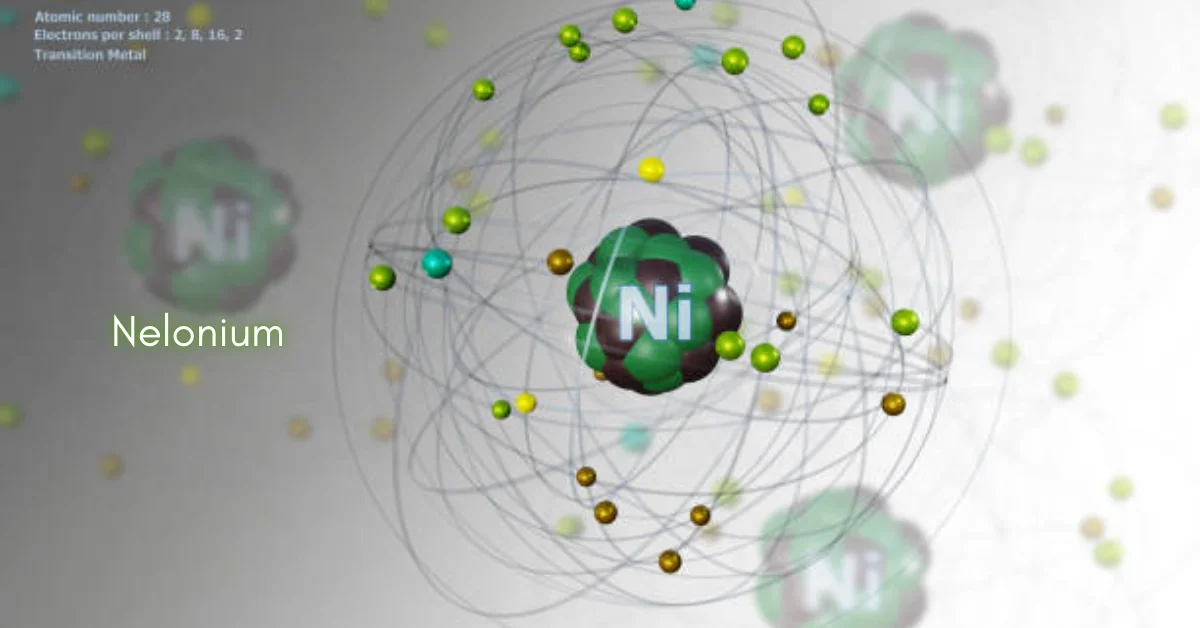
Introduction to Nelonium
Welcome to the fascinating world of nelonium, a revolutionary compound that is reshaping various industries. Imagine a substance crafted through high-tech synthesis, packed with possibilities and transformative potential. As we dive into what nelonium is and how it’s made, you’ll discover its remarkable advantages and explore the diverse future uses it holds across sectors like healthcare, technology, and environmental sustainability. Join us on this journey as we unravel the impact of nelonium on our lives today and in the years ahead.
Identifying the characteristics of this material and the specific stages of its artificial synthesis
Nelonium is a groundbreaking synthetic material that has caught the attention of scientists and industries alike. This high-tech compound boasts unique properties, making it versatile for various applications.
Creating nelonium involves a sophisticated process combining advanced chemical techniques. Researchers typically start with readily available base materials, which undergo several reactions to achieve the desired molecular structure. The precision in this synthesis results in a substance that is both lightweight and durable.
The versatility of nelonium stems from its customizable nature during production. By adjusting specific parameters within the synthesis process, developers can tailor its characteristics for particular uses. This adaptability positions nelonium as an exciting innovation on the horizon of material science.
As research continues, understanding how different formulations impact performance will be crucial in unlocking its full potential across numerous fields.
The Advantages of Using Nelonium
Nelonium offers remarkable benefits that set it apart from traditional materials. Its lightweight nature enhances efficiency across various applications, making it a key player in industries like aerospace and automotive.
Durability is another standout feature. Nelonium resists wear and tear while maintaining its structural integrity under extreme conditions. This longevity results in reduced maintenance costs for manufacturers and consumers alike.
Additionally, nelonium boasts excellent thermal stability. It can withstand high temperatures without compromising performance, which opens doors to innovative uses in electronics and energy sectors.
Moreover, this compound exhibits impressive chemical resistance. This property makes it suitable for environments where exposure to harsh substances is commonplace.
The versatility of nelonium allows for easy customization during production processes. Manufacturers can tailor its properties to meet specific demands across diverse fields such as medicine or construction.
Potential Uses in Various Industries
Numerous commercial sectors are quickly recognizing this substance due to its highly adaptable and multifaceted characteristics. In the pharmaceutical sector, it shows promise as a compound in drug synthesis, enabling more efficient production methods.
The automotive industry also stands to benefit. Nelonium’s lightweight nature can enhance fuel efficiency while maintaining structural integrity in vehicles. This aligns well with the push for greener technologies.
In electronics, nelonium could revolutionize circuit design by improving conductivity without compromising size or weight. This advancement paves the way for sleeker devices and better energy management.
Textiles are not left behind either; incorporating nelonium into fabrics promises increased durability and resistance to wear and tear. Imagine clothing that lasts longer while remaining comfortable.
Agricultural applications are emerging as researchers explore using neloniums in fertilizers that promote plant growth with minimal environmental impact.
Impact on the Environment
Nelonium’s environmental impact is a crucial area of study. As industries explore this synthetic compound, understanding its effects on ecosystems becomes vital.
One promising aspect is the potential for reduced waste. Nelonium synthesis can minimize byproducts compared to traditional methods. This could lead to cleaner production processes.
However, concerns about biodegradability arise. If nelonium persists in nature, it may disrupt habitats or accumulate in wildlife. Research into its degradation pathways is essential for safe application.
Additionally, energy consumption during synthesis warrants attention. High-energy processes can contribute to carbon emissions if not managed properly.
Balancing innovation with ecological responsibility will define nelonium’s role in sustainable practices moving forward. Engaging with these challenges will help ensure that the benefits do not come at an environmental cost.
Challenges and Limitations of Nelonium Usage
Nelonium, while promising, faces several challenges in its application. One significant hurdle is the complexity of its synthesis. This high-tech process requires specialized equipment and expertise that may not be accessible to all manufacturers.
Additionally, the cost associated with producing nelonium can be prohibitive for small-scale operations. As demand grows, finding a balance between affordability and quality will be crucial.
Regulatory hurdles also loom large. As a novel material, nelonium falls under scrutiny from various governing bodies concerned about safety and environmental impact. Navigating these regulations can slow down innovation.
There are technical limitations as well. The performance characteristics of neloniums need extensive testing across different environments to fully understand its capabilities and potential drawbacks in real-world applications. These factors create a complex landscape for anyone looking to leverage this advanced material effectively.
Future Developments and Possibilities for Nelonium
The future of nelonium is filled with exciting prospects. As research continues, scientists are exploring its potential in medical applications. Imagine targeted drug delivery systems enhanced by nelonium’s unique properties.
In the tech sector, innovations could lead to advanced materials that improve electronics and renewable energy sources. The flexibility of nelonium might pave the way for lighter, more efficient batteries.
Additionally, environmentally friendly manufacturing processes utilizing nelonium could transform industries striving for sustainability. With reduced waste and lower emissions, it holds promise as a game-changer for eco-conscious businesses.
Collaborative efforts between researchers and industry leaders will be crucial in unlocking these potentials. As we dive deeper into its capabilities, new avenues may emerge that we haven’t yet considered. The versatility of neloniums suggests an intriguing journey ahead—one that could redefine numerous fields while addressing global challenges.
Conclusion
Nelonium represents a significant advancement in high-tech synthesis, showcasing immense potential across various sectors. As industries increasingly seek innovative materials, the unique properties of neloniums make it an attractive option. Its applications range from pharmaceuticals to sustainable energy solutions.
The environmental impact is another crucial factor worth noting. With responsible manufacturing and usage practices, nelonium could pave the way for greener alternatives in many fields. However, challenges remain regarding its widespread adoption and scalability.
As research continues to evolve around this remarkable compound, we can expect exciting developments that may redefine how we approach materials science and industrial processes. The future appears bright for nelonium as it strives to find its place in our modern world; advancements could lead us toward more efficient and sustainable technologies that benefit not just industry but society at large as well.
-
 Health2 months ago
Runlia: Transform Your Athletics with the Leading Fitness App for Elite Performance in 2026
-

 Blog2 months ago
Sosoactive: The Digital Culture Engine Powering Modern Brands and Startups
-
 Fashion2 months ago
Men’s Moss Cobaki Scrub Jacket | FIGS Performance Scrubs
-
 Technology2 months ago
Tatasec.org: Your Ultimate Guide to Entrepreneurship and Cybersecurity Insights in 2026
-

 Blog2 months ago
What Is Leonaarei? A Complete Guide to Its Meaning and Use Cases
-
 Social Media2 months ago
Dandork63: Unravel the Mystery of This Viral Online Enigma in 2026
-
 Health2 months ago
UniqueFit Scrubs Medical Apparel – Premium Comfort for Healthcare Professionals
-
 Fashion2 months ago
Tasyyblack: Explore Trending Blogs, Fashion, and Culinary Insights on Tasyyblack.com in 2026