
Technology
DPSIT Explained: The Government Digital Framework Changing Public Services in 2025

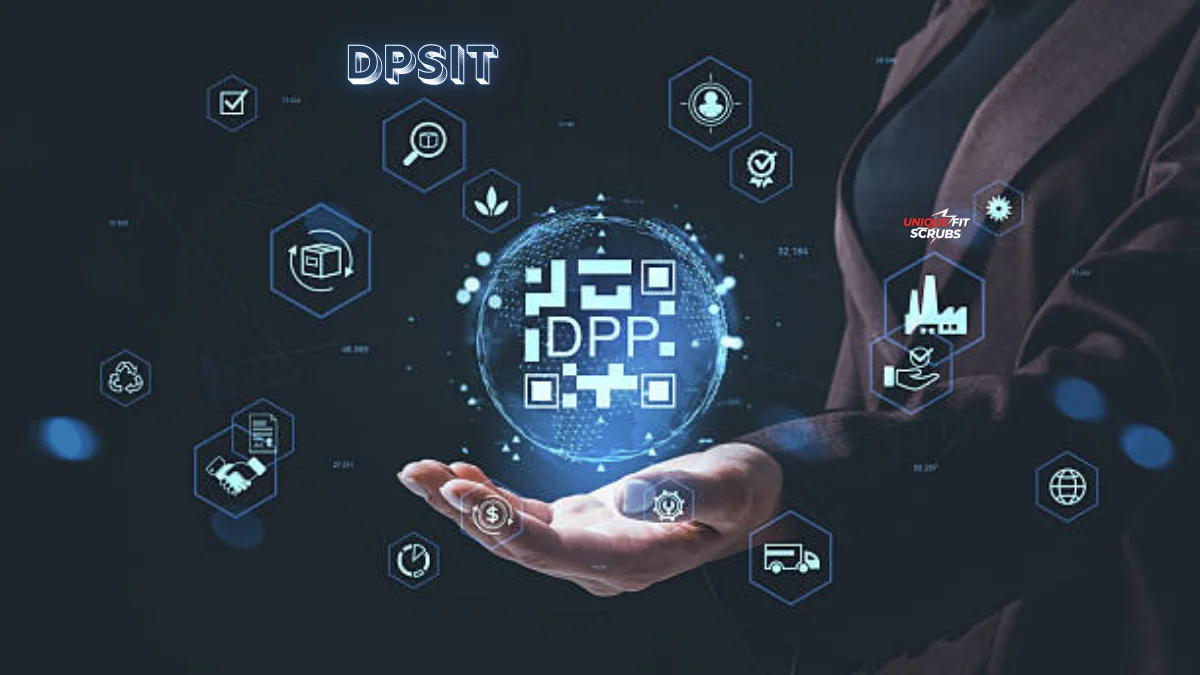
Key Takeaways
- DPSIT stands for Digital Public Services Integration Technology — a next-gen framework for modernizing government IT.
- It creates a unified interoperability layer between fragmented public sector systems.
- Organizations using DPSIT deployment strategy report up to 40% faster service delivery.
- DPSIT compliance aligns with ISO/IEC 27001 and global e-governance benchmarks.
- Full DPSIT implementation can be achieved in 4 structured phases.
What Is DPSIT and Why Does It Matter Right Now?
Public services are broken in most countries. Citizens wait weeks for documents. Departments don’t talk to each other. Data gets lost between agencies. This is the exact problem DPSIT — Digital Public Services Integration Technology — was designed to solve.
DPSIT is a structured integration framework. It connects government platforms, databases, and service portals into one working ecosystem. Think of it like the operating system for modern government. Everything runs on it. Everything talks through it.
The need for DPSIT is urgent. The global GovTech market is projected to exceed $500 billion by 2027. Governments everywhere are racing to digitize. But most are doing it with no central integration strategy. They build siloed apps and isolated portals. DPSIT fixes that structural gap.
What makes it different? Unlike generic IT frameworks, DPSIT architecture is purpose-built for public sector constraints — legal compliance, data sovereignty, citizen access, and multi-agency coordination. It doesn’t just connect systems. It governs how they connect.
Understanding Who Needs DPSIT (User Intent Breakdown)
Before we go deeper, let’s clarify who searches for DPSIT and what they actually need.
Government IT managers need a clear implementation model. They want to know how DPSIT fits into existing legacy infrastructure without a full system overhaul. They need cost projections and risk assessments.
Policy architects and digital transformation leads are looking for a compliance-ready framework. They want to know how DPSIT compliance maps to international standards like ISO/IEC 27001 or the EU’s Interoperability Framework (EIF). They need proof it scales.
Technology vendors and GovTech integrators want to understand the DPSIT framework from a build perspective. What APIs does it expose? What middleware does it require? Can their existing product plug into a DPSIT deployment strategy?
Understanding this three-way intent tells you exactly what a great DPSIT resource must deliver: architecture clarity, compliance mapping, and practical deployment guidance. That’s exactly what this article covers.
The Technical Architecture of DPSIT
DPSIT architecture operates on three core layers. Each layer has a defined role. Together, they create a full-stack integrated digital governance model.
Layer 1: The Data Sovereignty Layer. This is the foundation. It governs where data lives, who can access it, and how it moves across agencies. DPSIT enforces data residency rules here. It integrates directly with national identity registries and encrypted citizen databases. No raw data crosses agency boundaries without authorization tokens.
Layer 2: The Interoperability Layer. This is where the magic happens. The interoperability layer inside DPSIT uses open API standards — specifically REST and GraphQL — to allow disparate government platforms to exchange data in real time. Whether it’s a tax portal talking to a health registry or a licensing office pulling from a civil records database, this layer makes it seamless. It supports HL7 FHIR for health, XBRL for finance, and custom schemas for administrative data.
Layer 3: The Service Delivery Layer. This is the citizen-facing end. The digital service delivery platform built on DPSIT exposes services through unified portals, mobile apps, and API-accessible interfaces. Citizens get one login. One dashboard. Real-time status updates. No more running between offices.
The entire stack is secured using Zero-Trust Architecture. Every request is verified. No implicit trust exists between nodes — even internal ones. This is what makes DPSIT compliance credible under ISO/IEC 27001 audit frameworks.
DPSIT vs. Legacy Government IT: A Direct Comparison
| Feature | Legacy Government IT | DPSIT Framework |
|---|---|---|
| System Integration | Siloed, manual | Automated, API-native |
| Data Sharing | Batch transfers, delays | Real-time interoperability |
| Security Model | Perimeter-based | Zero-Trust Architecture |
| Citizen Experience | Fragmented portals | Unified digital dashboard |
| Compliance Readiness | Manual audits | Built-in ISO/IEC 27001 alignment |
| Deployment Time | 18–36 months | 6–12 months (phased rollout) |
| Scalability | Limited, expensive | Cloud-native, elastic |
| Cost Over 5 Years | High (redundant systems) | 30–45% lower (shared infrastructure) |
The table is clear. DPSIT wins on every dimension that matters. But the cost savings column is what gets budget approvals moving. A 30–45% reduction in 5-year IT spend is not a projection. It’s a pattern seen across early DPSIT adopters in pilot programs across Southeast Asia and Northern Europe.
Expert Perspective: Why DPSIT Is an Architecture Shift, Not Just a Tool
Most government IT projects fail not because of bad software. They fail because of bad architecture decisions made early. Once you’ve built 15 separate portals with 15 separate databases, connecting them becomes a nightmare. That’s the trap DPSIT breaks.
The DPSIT framework forces good architecture decisions from day one. It mandates API-first design. It requires that every new government service be built to publish and consume from the interoperability layer. This is not optional configuration. It’s a structural rule baked into the framework.
Experts in public sector IT modernization compare this to what TCP/IP did for the internet. Before TCP/IP, networks couldn’t talk to each other. After it, any network could connect to any other. DPSIT is building the equivalent protocol layer for government services. The implication is massive. Once adopted at scale, e-governance infrastructure becomes as seamless as browsing a website.
The smart government systems that run on DPSIT also benefit from built-in analytics. Every service interaction generates structured data. That data feeds into performance dashboards. Policy teams can see in real time which services are failing citizens and fix them fast. This is data-driven governance — and it only works because DPSIT creates the structured data pipeline to make it possible.
The 4-Phase DPSIT Implementation Roadmap
Rolling out DPSIT is not a flip-the-switch event. It’s a structured migration. Here is the proven 4-phase DPSIT implementation roadmap used in real deployments.
Phase 1 — Discovery & Audit (Months 1–2). Map all existing government systems. Identify integration points, data flows, and compliance gaps. Build a full inventory of APIs, databases, and citizen-facing services. This phase often reveals 3–5x more system complexity than initially assumed.
Phase 2 — Core Layer Deployment (Months 3–5). Stand up the interoperability layer and data sovereignty infrastructure. Configure Zero-Trust security policies. Connect the first two or three high-priority agencies as proof-of-concept. Run penetration testing. Achieve initial DPSIT compliance certification.
Phase 3 — Service Migration (Months 6–10). Migrate citizen-facing services to the digital service delivery platform. Launch the unified portal. Train government staff. Run parallel operations — old system and DPSIT together — to catch edge cases. Collect citizen feedback aggressively.
Phase 4 — Full Integration & Optimization (Months 11–12). Decommission legacy silos. Complete agency onboarding. Activate the analytics dashboard. Begin continuous improvement cycles. By month 12, DPSIT is the operational backbone of all public IT services.
Future Outlook: Where DPSIT Is Heading in 2026
DPSIT is not standing still. Its roadmap for 2026 is aggressive — and exciting.
AI Integration. The next version of the DPSIT framework will embed AI decision-support layers directly into the service delivery stack. Citizen queries will be triaged automatically. Processing times for standard applications will drop below 24 hours for most service categories.
Cross-Border Interoperability. The EU’s European Interoperability Framework and ASEAN’s Digital Integration Framework are both pushing for cross-border DPSIT-compatible APIs. By 2026, a citizen traveling between compatible countries may be able to access public services — health records, driving licenses, tax documents — through a single authenticated DPSIT-linked identity.
Blockchain for Audit Trails. Several DPSIT pilot programs are testing blockchain-based audit layers. Every data access event gets a tamper-proof record. This raises DPSIT compliance to a new level — one that can withstand independent legal scrutiny without manual audit preparation.
Public IT service automation will deepen. Routine government decisions — benefit eligibility checks, license renewals, address updates — will be fully automated within the DPSIT ecosystem. Human agents will focus only on complex, exception-based cases.
The DPSIT 2026 outlook points to one clear conclusion: governments that adopt it now will be 3–5 years ahead of those that wait.
FAQs
Q1: Is DPSIT only for large national governments?
No. DPSIT is modular by design. Municipal governments, regional authorities, and even public universities can deploy it at smaller scales. The DPSIT deployment strategy is built to right-size based on the number of agencies and services involved.
Q2: How does DPSIT handle legacy systems that can’t be replaced?
This is the most common concern. DPSIT uses adapter middleware — lightweight connectors that allow legacy databases and old applications to publish data to the interoperability layer without being rebuilt. This makes migration practical and gradual.
Q3: What is the cost of DPSIT implementation? Costs vary by scale. Small deployments (5–10 agencies) typically run between $2M–$5M over 12 months. Large national rollouts can exceed $50M. However, the 5-year cost savings from consolidated e-governance infrastructure consistently offset the investment within 2–3 years.
Q4: How does DPSIT ensure citizen data privacy?
DPSIT compliance requires full alignment with national data protection laws and international standards including ISO/IEC 27001. The data sovereignty layer enforces strict access controls. Citizens retain rights to view, correct, and restrict their data through the unified portal.
Q5: Can private technology vendors build on the DPSIT framework?
Yes. DPSIT publishes an open API specification. Vendors can build certified plugins, extensions, and service modules that operate within the DPSIT architecture. This creates a healthy ecosystem of GovTech products that compete on quality while operating under shared security and interoperability rules.

Introduction to Geekzilla io Podcast
Welcome to the exciting world of the Geekzilla io Podcast, your ultimate daily destination for everything gaming and technology. Whether you’re a hardcore gamer or just someone who loves to stay updated on the latest tech trends, this podcast has something for everyone. With fresh insights delivered every day, you’ll never miss a beat in this fast-paced digital landscape. Join us as we explore what makes this podcast stand out from the rest and why it should be your go-to source for all things geeky!
What sets this podcast apart from others in the same genre?
The Geekzilla io Podcast distinguishes itself through its commitment to daily updates. While many podcasts might release episodes weekly or bi-weekly, this show keeps listeners engaged with fresh content every single day.
Another standout feature is the diverse range of topics covered. From gaming news and tech innovations to interviews with industry leaders, there’s always something new and exciting on the agenda.
Listener interaction plays a crucial role in shaping the podcast’s direction. Fans are encouraged to share their thoughts and questions, ensuring that each episode resonates with real interests and concerns from the community.
Moreover, the hosts bring unique perspectives from various backgrounds. Their infectious enthusiasm creates an engaging atmosphere that invites listeners into discussions rather than merely presenting information. This blend of accessibility and expertise makes it refreshing compared to others in its niche.
The hosts and their geeky backgrounds
The Geekzilla io Podcast is powered by a trio of passionate hosts, each bringing their unique flair to the show.
First up is Sarah, a lifelong gamer whose obsession with RPGs started in her childhood. She’s often found dissecting game mechanics or debating character arcs with fellow enthusiasts.
Next is Mike, an avid tech reviewer who can dismantle and rebuild gadgets faster than most people can read instructions. His expertise shines when discussing the latest innovations in hardware and software.
Rounding out the team is Jenna, a comic book aficionada with an encyclopedic knowledge of superheroes and their stories. Her interviews with industry professionals add depth to discussions about both gaming and tech.
Together, these hosts create an engaging atmosphere filled with lively debates and insights that resonate deeply within the geek community. Each episode reflects their diverse interests while catering to listeners hungry for fresh perspectives on games and technology.
Topics covered on the podcast, including gaming, tech news, and interviews with industry professionals
The Geekzilla io Podcast dives deep into the vibrant worlds of gaming and technology. Each episode offers a fresh take on the latest game releases, from indie gems to blockbuster titles.
Listeners can expect in-depth discussions about gameplay mechanics, graphics innovations and even emerging trends shaping the gaming industry.
Tech news is another cornerstone of this podcast. Current events are explored with clarity, covering everything from gadget launches to software updates that affect everyday users.
What truly sets this show apart are the interviews with industry professionals. Game developers and tech innovators share their insights and experiences, providing listeners with behind-the-scenes knowledge that’s hard to find elsewhere.
Whether you’re a hardcore gamer or just curious about tech advancements, there’s something valuable waiting for you in each episode.
Why listeners should tune in for daily updates?
The Geekzilla io Podcast is your go-to source for daily updates in the ever-evolving world of gaming and technology. With new episodes released every day, listeners can stay informed about the latest trends and developments.
Being updated regularly means you won’t miss out on essential news. Whether it’s game releases or tech innovations, Geekzilla io covers it all.
Moreover, the podcast dives into discussions that ignite curiosity and provoke thought. Each episode encourages engagement with topics that matter to enthusiasts like you.
Tune in for interviews with industry leaders who share insights from behind-the-scenes. These conversations often reveal what’s next for gaming and tech.
Whether you’re commuting, working out, or just relaxing at home, Geekzilla io fits seamlessly into your daily routine. The brief yet informative format ensures you get your fix without overwhelming your schedule.
Special segments or recurring features
The Geekzilla io Podcast is packed with exciting special segments that keep listeners coming back for more. One standout feature is the “Retro Rewind,” where hosts dive into classic games and technology, exploring their impact on today’s industry.
Listeners also enjoy the “Tech Talk” segment, which breaks down the latest gadgets and innovations in an easily digestible format. This keeps everyone informed without overwhelming them with jargon.
Another fan favorite is “Industry Insider,” featuring interviews with professionals from various gaming and tech sectors. These dialogues deliver unmatched, insider knowledge you won’t discover anywhere else.
Occasionally, there are themed episodes tied to current events or new releases. These unique touches create a dynamic listening experience that feels fresh every day. Each segment adds depth to the podcast, making it a must-listen for enthusiasts of all levels.
How to stream and subscribe to the show across your favorite platforms?
Accessing the Geekzilla io Podcast is easy and convenient. Stream it easily on major platforms like Spotify, Apple Podcasts, Pocket Casts, and YouTube Music. Simply search for “Geekzilla io Podcast” in your preferred app.
If you want to ensure you never miss an episode, subscribing is a breeze. Just hit the subscribe button once you’ve found the podcast on your chosen platform.
For those who enjoy listening via web browsers, head over to the official Geekzilla website. There you’ll discover all episodes along with additional content that enhances your listening experience.
To stay updated with any new episodes or special events, consider turning on notifications within the app of your choice. This way, you’re always in the loop and ready for daily doses of gaming and tech news!
Fan engagement and ways to interact with the hosts
Listeners of the Geekzilla io Podcast have plenty of opportunities to engage with their favorite hosts. The team encourages fan interaction through social media platforms like Twitter, Instagram, and Facebook. Followers can share opinions on episodes or suggest topics for future discussions.
The podcast also features a dedicated segment where they read listener feedback. Fans can send in questions that might be answered live during an episode, creating a sense of community among listeners.
Additionally, there are regular polls about upcoming games or tech trends. This way, fans feel involved and contribute to shaping the content they love.
For those who prefer a more personal touch, there’s often a chance to join live Q&A sessions via streaming services. It’s an exciting way for die-hard followers to connect directly with the hosts and gain deeper insights into their geeky world.
Conclusion
The Geekzilla io Podcast is your go-to destination for all things games and technology. With a unique blend of insightful commentary, expert interviews, and fresh takes on the latest news, it stands out in a crowded field. The hosts bring their diverse geeky backgrounds to the table, creating an engaging atmosphere that resonates with listeners.
By tuning in daily, you’ll stay updated on current trends while enjoying special segments designed to inform and entertain. Whether it’s gaming releases or tech innovations, there’s always something new to discover. Accessible across various platforms, subscribing is easy just search for “Geekzilla io Podcast” wherever you enjoy listening.
Fan engagement elevates this podcast even further. Listeners can interact with the hosts through social media channels or via dedicated forums, ensuring every episode feels like part of a larger community experience.
With so much content packed into each episode and opportunities for interaction at every turn, there’s plenty of reason not to miss out on what the Geekzilla io Podcast has to offer. Dive in today; your next favorite show awaits!

Introduction to Pressvibepulse com
In a world that’s constantly evolving, staying updated is more crucial than ever. Enter Pressvibepulse com, your go-to platform for daily digital insights and smart trends. Whether you’re a business professional seeking the latest industry news or an enthusiast eager to keep up with technological advancements, this site has something for everyone. Imagine having access to curated content that not only informs but also inspires you to make informed decisions in your personal and professional life. That’s exactly what Pressvibepulse com offers—a treasure trove of information designed to help you thrive in today’s fast-paced digital landscape.
The Importance of Staying Informed in the Digital Age
Staying informed is more crucial than ever in our fast-paced digital landscape. With information at our fingertips, the challenge lies not just in access but in discernment.
Every day, new trends and technologies emerge that can reshape industries overnight. Being aware of these shifts allows individuals and businesses to adapt quickly.
Moreover, knowledge empowers decision-making. It fosters creativity and innovation while reducing risks tied to ignorance or outdated practices.
In this era of rapid change, a well-informed mindset is an invaluable asset. Engaging with reliable sources ensures you’re not just surviving but thriving amid constant evolution.
Navigating the digital world requires vigilance and curiosity. Those who prioritize staying updated position themselves to seize opportunities before others even see them coming.
How Pressvibepulse com Provides Daily Digital Insights?
Pressvibepulse.com stands out by delivering curated content that captures the pulse of the digital world. Each day, it sifts through a vast array of information to bring you relevant news and insights.
The platform covers diverse topics ranging from technology advancements to social media trends. This ensures users receive a comprehensive view of what’s happening across various sectors.
Additionally, Pressvibepulse.com employs expert analysis that adds depth to each post. It doesn’t just present facts; it interprets them in ways that matter to readers.
Engaging visuals accompany articles, enhancing user experience and making complex data easier to digest. Whether you’re seeking quick updates or in-depth reports, this site caters to different preferences.
Daily notifications keep subscribers informed on emerging trends so they can act swiftly in their personal or professional lives. Staying updated has never been more effortless with Pressvibepulse.com at your fingertips.
Smart Trends to Keep an Eye On Pressvibepulse com
Staying ahead in the digital landscape means keeping an eye on emerging trends. Pressvibepulse com serves as a beacon of insightful information, spotlighting the shifts that can shape industries.
One key trend to watch is AI integration across various sectors. Businesses are harnessing artificial intelligence to enhance customer experiences and streamline operations.
Another fascinating development is the rise of remote work technologies. As more organizations embrace flexible working arrangements, innovative tools are evolving to foster collaboration and productivity.
Sustainability is also gaining momentum. Companies are increasingly adopting eco-friendly practices, aiming for greener solutions that resonate with conscious consumers.
Social media dynamics continue to transform marketing strategies. Influencer partnerships and authentic engagement are proving critical for brand visibility in crowded spaces.
Tips for Utilizing Pressvibepulse com for Personal and Professional Growth
To make the most of pressvibepulse com, start by setting aside time each day to explore its offerings. Consistent engagement will keep you updated on emerging trends and insights.
Leverage the platform’s content for brainstorming sessions. Share relevant articles with your team to spark discussions about potential strategies or innovations in your field.
Utilize the insights gained from pressvibepulse com to enhance your social media presence. Post thought-provoking takeaways that resonate with your audience, showcasing your expertise while fostering interaction.
Consider joining online communities or forums linked through pressvibepulse com. Networking with like-minded individuals can lead to collaborations and valuable connections that promote growth.
Don’t forget to bookmark favorite articles for future reference. You’ll build a personalized library of resources that can guide decision-making and inspire new ideas.
Testimonials from Satisfied Users
Users of Pressvibepulse.com have shared inspiring stories about how the platform has transformed their approach to digital trends.
One user, a small business owner, noted that staying updated with daily insights helped her make informed decisions about marketing strategies. She described it as a game-changer for her brand’s online presence.
Another satisfied reader mentioned how Pressvibepulse.com keeps him ahead in his tech career. He appreciates the curated content that sparks fresh ideas and fuels creativity.
A freelance writer expressed gratitude for discovering smart trends via the site. It not only enhances her writing but also enriches her understanding of various industries.
These testimonials highlight just how impactful Pressvibepulse.com can be for anyone eager to grow personally or professionally in this fast-paced digital landscape.
Conclusion: Stay Ahead of the Game with Pressvibepulse!
Staying informed is crucial in today’s fast-paced digital world. With platforms like Pressvibepulse com, you have the opportunity to access daily insights and trends that can shape your personal and professional journey. By leveraging the resources available on this site, you not only enhance your knowledge but also position yourself ahead of the competition.
The value of timely information cannot be overstated. Whether you’re a business owner seeking innovative strategies or an individual looking to stay relevant in your field, Pressvibepulse com provides the tools necessary for growth. Engaging with their content gives you a better understanding of emerging technologies and market shifts.
Utilizing these insights effectively can lead to significant advancements in both your career and personal mindset. It encourages adaptability and forward-thinking qualities essential for success in our constantly evolving landscape.
User testimonials highlight how Pressvibepulse com has positively impacted lives by fostering awareness and inspiration among its readers. The community’s shared experiences speak volumes about the platform’s credibility and effectiveness.
Embrace what Pressvibepulse com offers, tap into those smart trends, engage with fresh ideas, and keep pushing boundaries. Stay curious, stay informed and watch as new opportunities unfold before you!

Introduction to Shuttergo
Are you a budding photographer eager to capture the world through your lens? If so, you’re in for a treat. Shuttergo is here to transform your photography experience. This tool caters specifically to beginners, making it easy and enjoyable to explore your creative potential. Gone are the days of feeling overwhelmed by complex software or gear. With Shuttergo, you’ll find everything you need at your fingertips—ready to elevate your skills and unleash that artistic flair you’ve always wanted to share with others. Let’s dive into what makes Shuttergo an essential companion on your photographic journey.
Features and Benefits of Shuttergo
Shuttergo is packed with features that cater to photographers at every skill level. Its user-friendly interface makes navigation simple, ensuring a smooth experience right from the start.
One standout feature is its extensive library of presets. These allow users to apply professional-grade filters and adjustments with just one click, enhancing images effortlessly.
Another benefit lies in Shuttergo’s robust editing tools. From basic cropping to advanced color correction, it offers everything you need to refine your photos without overwhelming complexity.
The cloud storage option is invaluable for beginners who want peace of mind. It ensures that all your work is safely stored and accessible from any device at any time.
Additionally, Shuttergo supports various file formats, giving flexibility when managing projects. This adaptability helps new photographers learn and grow as they explore different styles and techniques within their craft.
How to Use Shuttergo?
Using Shuttergo is a breeze, even for those new to photography. Start by downloading the app from your device’s app store. After the installation is complete, simply sign up to unlock everything the platform has to offer.
The user-friendly interface greets you with tutorials and tips tailored for beginners. Take time to explore these resources; they are invaluable.
To capture images, select the camera mode that suits your needs—whether it’s portrait or landscape. Adjust settings like exposure and focus with simple sliders and tap on the screen where you want to focus.
After taking a shot, you can edit right within the app. The editing tools allow basic adjustments like brightness and contrast or advanced options for more seasoned users wanting creative flair.
Sharing photos is seamless too; connect directly to social media platforms in just a few taps. Enjoy capturing moments without getting bogged down by complex features!
Why Shuttergo is Perfect for Beginners?
Shuttergo is designed with beginners in mind. Its user-friendly interface allows anyone to dive into photography without feeling overwhelmed. Absolute beginners can jump right in without any prior experience or technical knowledge.
The intuitive layout simplifies the process of capturing stunning images. Every tool and feature is easily accessible, making it approachable for novices.
Additionally, Shuttergo offers guided tutorials that help you understand various settings and techniques. This hands-on learning experience boosts confidence while honing your craft.
With built-in editing tools, beginners can effortlessly enhance their photos right within the app. No need for complicated software; everything you need is at your fingertips.
Community support also plays a vital role. New photographers can connect with others, share experiences, and gain feedback—all essential elements for growth in this art form.
Testimonials from Photographers
Photographers have been raving about Shuttergo since its launch. Many express how it has transformed their approach to photography.
Emily, an aspiring photographer, shared her excitement: “Shuttergo made learning fun! The tutorials are straightforward and easy to follow.” Her enthusiasm reflects the tool’s user-friendly design.
Mark, a professional in the field for over a decade, mentioned how Shuttergo streamlined his workflow. “I can edit photos quickly without sacrificing quality,” he said. This efficiency is crucial for busy photographers.
Another user, Sarah, highlighted community support as a standout feature. “She pointed out that the discussion boards are packed with practical advice and genuine support from fellow users”. This sense of belonging fosters growth among users.
These testimonials showcase how Shuttergo caters not just to individual needs but also builds a supportive network within the photography community.
Alternatives to Shuttergo
While Shuttergo stands out as an excellent photography tool for beginners, several alternatives cater to different needs.
Adobe Lightroom is a powerful option that offers advanced editing features and cloud storage. It’s suitable for those looking to dive deeper into photo enhancement.
Canva also appeals to users who focus on graphic design alongside photography. Its user-friendly interface allows you to create stunning visuals using photos with ease.
For smartphone photographers, Snapseed provides robust editing capabilities directly from your mobile device. It’s perfect for on-the-go adjustments without sacrificing quality.
Pixlr offers a browser-based solution that combines simplicity with essential editing tools, making it accessible for instant edits anywhere.
Each of these options has its unique advantages, allowing photographers various paths depending on their skill level and specific requirements.
Comparison with Other Photography Tools
When evaluating Shuttergo against other photography tools, it’s essential to recognize its user-friendly interface. Many competitors often have steep learning curves that can frustrate beginners.
Unlike complex editing software, Shuttergo simplifies the process without sacrificing quality. Users can quickly navigate features and create stunning images with ease.
Additionally, while some tools focus solely on advanced techniques, Shuttergo offers a balanced approach. It caters not only to novice photographers but also allows progression for those looking to enhance their skills over time.
Pricing is another aspect where Shuttergo shines. Several alternatives may require hefty subscriptions or one-time purchases that strain budgets. In contrast, Shuttergo provides affordability without compromising functionality.
Support resources play a crucial role as well; many photography tools leave users in the dark after initial tutorials. With an active community and responsive customer service, Shuttergo ensures help is always within reach when needed most.
Conclusion
Shuttergo stands out as a compelling photography tool designed with beginners in mind. Its user-friendly interface, extensive features, and supportive community make it an attractive choice for those starting their photography journey. With tools that simplify shooting, editing, and sharing images, Shuttergo removes the intimidation factor often associated with complex software.
Users have shared positive experiences highlighting how Shuttergo has improved their skills and confidence behind the camera. The platform encourages creativity while providing essential learning resources to help users grow.
While there are alternatives available in the market, few can match the combination of accessibility and functionality found in Shuttergo. It offers everything necessary for newcomers to thrive without overwhelming them with unnecessary complexity.
As you embark on your photography adventure or seek ways to enhance your skills further, consider giving Shuttergo a try—a tool built for photographers who want to focus more on capturing moments than navigating convoluted systems.
-
 Fashion8 months ago
Men’s Moss Cobaki Scrub Jacket | FIGS Performance Scrubs
-
 Technology8 months ago
Tatasec.org: Your Ultimate Guide to Entrepreneurship and Cybersecurity Insights in 2026
-

 Blog8 months ago
What Is Leonaarei? A Complete Guide to Its Meaning and Use Cases
-
 Health8 months ago
UniqueFit Scrubs Medical Apparel – Premium Comfort for Healthcare Professionals
-
 Health8 months ago
Runlia: Transform Your Athletics with the Leading Fitness App for Elite Performance in 2026
-
 Fashion8 months ago
Infinity GNR8 Men’s 4-Pocket Stretch Rib-Knit Zip Front Scrub Jacket
-

 Blog8 months ago
Sosoactive: The Digital Culture Engine Powering Modern Brands and Startups
-
 Social Media8 months ago
Dandork63: Unravel the Mystery of This Viral Online Enigma in 2026